
Quick Answer: What Is an Arthritis-Friendly Senior Rabbit Setup?
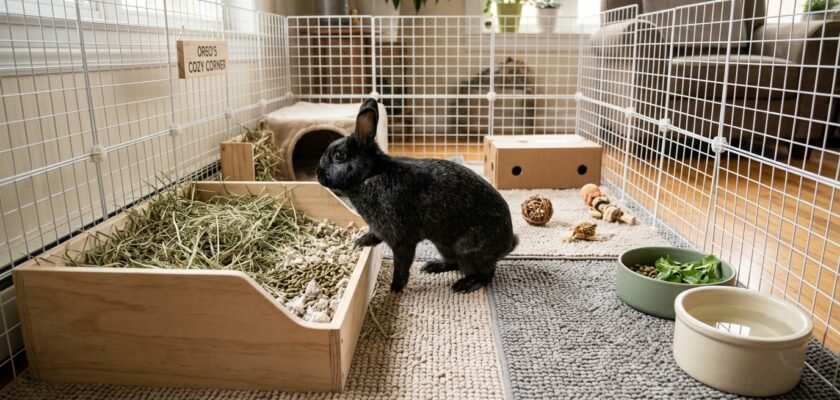
An arthritis-friendly setup for a senior rabbit is spacious, completely single-level, and heavily cushioned. It eliminates wire grid floors, steep ramps, and high platforms, replacing them with thick, non-slip runner rugs, an accessible low-entry litter box, ground-level heavy ceramic crocks, and wide walk-in hideaways.
Traditional commercial hutches and multi-tier wire cages are unsuitable for aging rabbits because they restrict movement and cause joint strain. Switching to an indoor metal exercise pen (X-pen) providing at least 8 to 12 square feet of flat, cushioned living space dramatically reduces pain, prevents ulcerative sore hocks, and eliminates litter box accidents.
Key Takeaways: Senior Rabbit Housing Essentials
- Flat single-level space is mandatory: Remove high ramps, wire shelves, and second-story lofts that invite traumatic falls in arthritic bunnies.
- Non-slip traction protects joints: Layering dense foam mats and low-pile washable rugs prevents joint hyperextension and painful slipping.
- Lower all entrance barriers: Switch to a litter pan with a 2-inch cut-down entry so stiff hind legs do not have to jump or scramble.
- Cushioning prevents sore hocks: Dense vet bedding and soft fleece relieve pressure on the calcaneus bone, preventing ulcerative pododermatitis.
- Maintain spatial predictability: Keep bowls, litter trays, and hideouts in fixed positions to aid rabbits coping with cataracts or residual vestibular tilt.
Table of Contents
- 1. Why Senior Rabbits Need an Adapted Living Space
- 2. How Big Should a Rabbit Enclosure Be? Cage vs Exercise Pen
- 3. What Do Bunnies Need in Their Cage? Standard vs Senior-Friendly
- 4. Step-by-Step Setup: Building an Arthritis-Safe Rabbit Home
- 5. Outdoor Hutches for Senior Rabbits: Safety & Weatherproofing
- 6. Sore Hocks (Pododermatitis): Prevention and Management
- 7. Essential Comfort Products for Older Rabbits
- 8. Warning Signs Your Rabbit Enclosure Needs Urgent Adjustment
- 9. Frequently Asked Questions
- 10. The Bottom Line and Veterinary Disclaimer
1. Why Senior Rabbits Need an Adapted Living Space
The multi-story cage or hutch that accommodated your rabbit with ease at two years of age can quietly become an obstacle course of pain at eight. As rabbits enter their senior phase (detailed in our comprehensive rabbit lifespan and aging guide), their musculoskeletal and sensory anatomy undergoes profound changes.
Common age-related physical limitations include:
- Osteoarthritis and spinal spondylosis: Bone spurs bridging vertebrae make jumping over litter box lips or navigating steep wooden ramps excruciating.
- Sarcopenia and rear limb weakness: Loss of muscle mass makes steadying themselves on slick flooring difficult, causing hip splaying and groin pulls.
- Ulcerative pododermatitis (sore hocks): Thinning fur over the bony heels exposes delicate skin to pressure sores on wire or hard surfaces.
- Sensory decline (cataracts and hearing loss): Visual clouding makes jumping into darkened boxes frightening, while disorientation requires fixed landmark navigation.
- Vestibular instability: Lingering balance deficits from past head tilt and E. cuniculi cause rolling if they encounter ramps or drops.
2. How Big Should a Rabbit Enclosure Be? Cage vs Exercise Pen
Standard commercial cages sold in pet shops are almost universally too small for adult rabbits, let alone arthritic seniors who need wide turning radii. A rabbit enclosure must allow the animal to take 3 to 4 uninterrupted hops, stretch out completely on their side, and sit upright on their hind legs without touching the ceiling.
Veterinary welfare standards recommend the following spatial minimums:
| Housing Dimension | Recommended Space Requirement | Senior Specific Adaptation |
|---|---|---|
| Primary Home Base Enclosure | At least 8 to 12 square feet (e.g., 4 x 3 ft or 4 x 2 ft) | Must be completely single-level; zero ramps |
| Daily Exercise Run | At least 24 to 32 square feet for several hours daily | All flooring must have continuous non-slip traction |
| Vertical Ceiling Height | At least 24 to 36 inches high | Open-top exercise pens allow easy caregiver cleaning |
| UK Welfare Standard (Pair) | 10 x 6.5 x 3 feet combined living and exercise footprint | Single-level exercise pen preferred over outdoor hutches |
Why exercise pens (X-pens) outperform traditional cages: Metal exercise pens provide an expansive, modular perimeter that sits directly on your floor. They have no high plastic rim for the caregiver to reach over, no hazardous ramps, and allow you to configure soft rugs and puppy training pads with complete flexibility.
3. What Do Bunnies Need in Their Cage? Standard vs Senior-Friendly
Every rabbit requires food, water, hay, litter, and hideaways. For an arthritic bunny, each essential item must be ergonomically re-engineered:
| Essential Item | Standard Young Rabbit Setup | Senior & Arthritis-Friendly Adaptation |
|---|---|---|
| Flooring | Smooth plastic tray or flat wooden hutch floor. | Cushioned foam puzzle mats topped with non-slip runner rugs and vet bedding. |
| Litter Box | High-walled plastic cat tray (5 to 7 inch sides). | Custom low-entry litter box with a 2-inch cut-down entry doorway. |
| Hay Provision | Wall-mounted wire hay rack requiring upward stretching. | Floor-level hay piles inside or directly beside the low litter pan. |
| Water Source | Hanging ball-bearing sipper bottle on cage bars. | Heavy, wide ceramic crock at floor level to eliminate neck hyperextension. |
| Resting Hideout | Wooden castle with roof ramp and single round doorway. | Wide walk-in cardboard tunnel with zero lip and double entry exits. |
| Vertical Levels | Multi-tier shelving, wooden ladders, and loft hammocks. | Strictly single level; all ramps eliminated to prevent falls and fractures. |
4. Step-by-Step Setup: Building an Arthritis-Safe Rabbit Home
Follow this veterinary step-by-step framework to transform your senior rabbit living quarters into an ergonomic, supportive sanctuary:
Step 1: Choose a Quiet, Climate-Controlled Location
Position the enclosure in an active family room where your rabbit feels included, but away from drafty doorways, loud televisions, and heat vents. As outlined in our guide on rabbit winter temperature limits, aging bunnies require steady ambient temperatures between 60°F and 70°F (15°C to 21°C).
Step 2: Layer Supportive, Non-Slip Flooring
Flooring is the single most critical intervention. Never allow an older rabbit to walk on slick hardwood, bare linoleum, or wire mesh. Lay down heavy vinyl or waterproof tarp as a base, add 1/2-inch closed-cell EVA foam puzzle tiles for shock absorption, and cover completely with dense non-slip runner rugs and machine-washable cotton mats.
Step 3: Install an Accessible Low-Entry Litter Box
When senior rabbits begin urinating outside the litter box, owners frequently misinterpret it as bad behavior. In reality, stepping over high plastic walls causes sharp hip pain. Choose a purpose-built low-entry senior rabbit litter box or use a shallow under-bed storage container with an entry lip cut down to 1.5 inches.
Step 4: Keep All Nutrition at Ground Level
Place hay directly inside the litter box and in low shallow bins alongside. Swap water bottles for heavy ceramic crocks that cannot be tipped over. Rabbits drink substantially more water from bowls than bottles, which protects kidney function and prevents dry cecal impactions as discussed in our senior rabbit GI stasis warning signs.
Step 5: Provide Walk-In Hideouts with Dual Exits
Rabbits need a sanctuary where they feel concealed from overhead predators. Use large cardboard boxes with wide doorways cut on opposite sides. Having two openings prevents an arthritic bunny from feeling trapped if a companion enters.
5. Outdoor Hutches for Senior Rabbits: Safety & Weatherproofing
While veterinary consensus strongly recommends moving older rabbits indoors, owners keeping seniors outdoors must implement strict protective modifications:
- Single-level attached run: Eliminate steep ramps connecting upper hutch sleeping quarters to ground runs. If height differences exist, install wide, gently sloping ramps (15 degrees maximum) lined with outdoor carpet runners.
- Deep straw bedding: Pack the sleeping box generously with clean barley or oat straw to trap radiant body heat.
- Predator-proof latching: Arthritic rabbits cannot flee from foxes, raccoons, or neighborhood cats. Install heavy 16-gauge welded wire mesh and double-action barrel latches.
- Twice-daily checks for dampness: Moisture combined with cold accelerates arthritis flare-ups and invites deadly flystrike in warm months.
6. Sore Hocks (Pododermatitis): Prevention and Management
Sore hocks (ulcerative pododermatitis) is a chronic inflammatory condition where the plantar fur over the heel wears away, causing raw, ulcerated, and potentially infected lesions. Senior rabbits are particularly susceptible because joint stiffness causes them to sit back heavily on their hocks.
Key prevention protocols:
- Zero wire mesh floors: Wire grating concentrates body weight onto tiny contact points, stripping foot hair within weeks.
- Dry litter maintenance: Wet bedding soaked with urine creates chemical scalding that softens foot skin. Scoop damp spots daily.
- Regular nail trims: Overgrown nails force the rabbit toes upward, tilting the foot back and putting excessive pressure on the hock heel.
- Explore targeted medical care: Read our complete guide on preventing and treating sore hocks in aging rabbits for treatment protocols.
7. Essential Comfort Products for Older Rabbits
Equipping your home with the right ergonomic supplies makes caring for an arthritic bunny significantly more manageable. Below are our top recommended products available on Amazon, selected specifically for joint support, mobility safety, and effortless cleaning:
1. MidWest Homes for Pets Foldable Metal Exercise Pen (30-Inch)
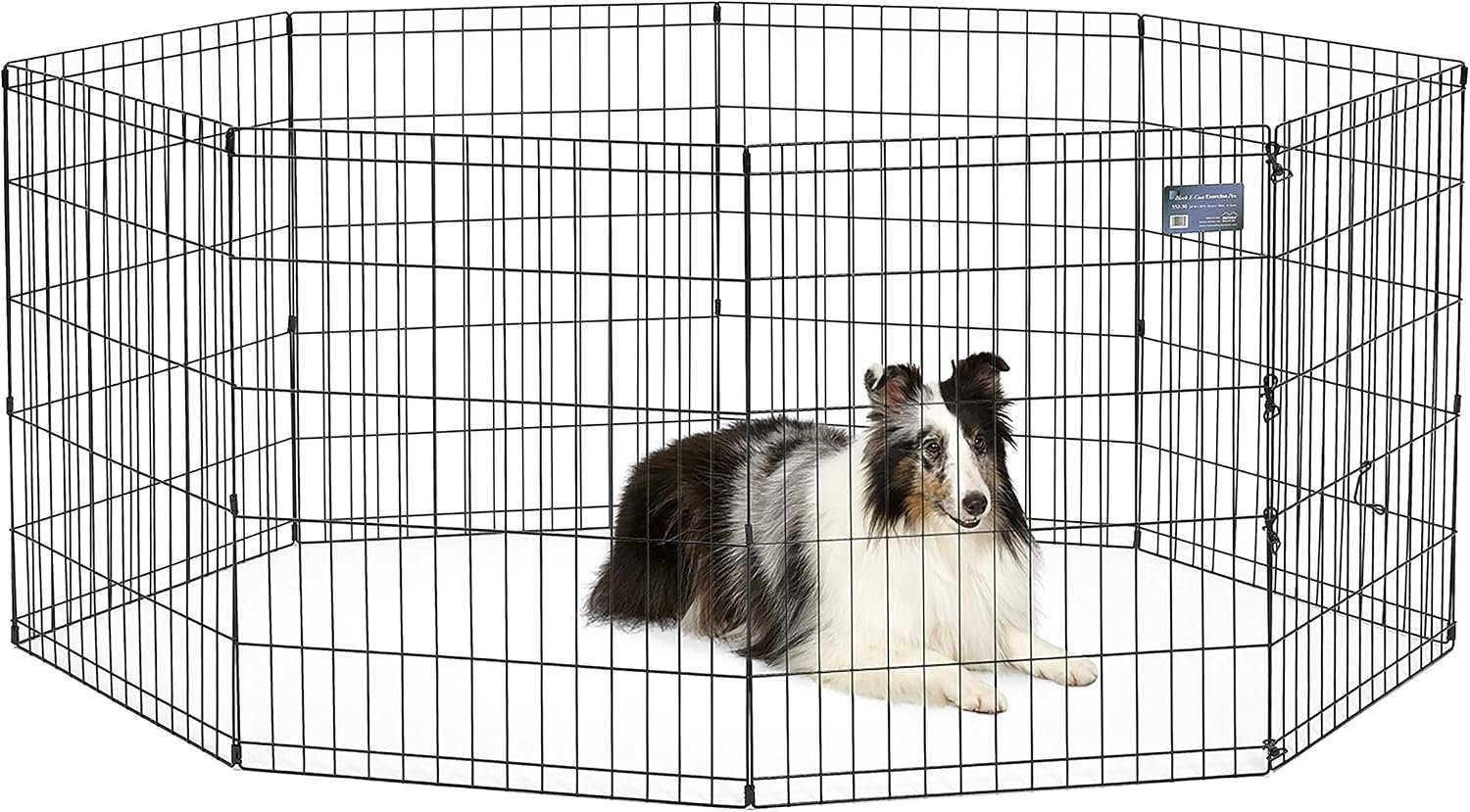
Traditional wire hutches severely constrain movement, accelerating muscle loss. The MidWest exercise pen gives an older bunny ample room to stretch out and hop comfortably while allowing owners to step right in for health checks.
2. Lakeside Medical-Grade Moisture-Wicking Fleece Vet Bedding
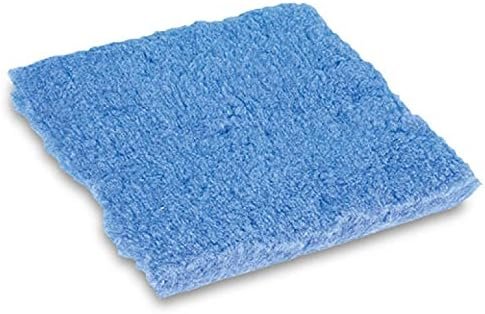
Sitting on hard or wet bedding strips away foot fur, leading to ulcerative pododermatitis. Vet bedding creates a breathable barrier that stops moisture from scalding delicate skin while distributing body weight evenly.
3. KittyGoHere Senior & Mobility Low-Entry Litter Box
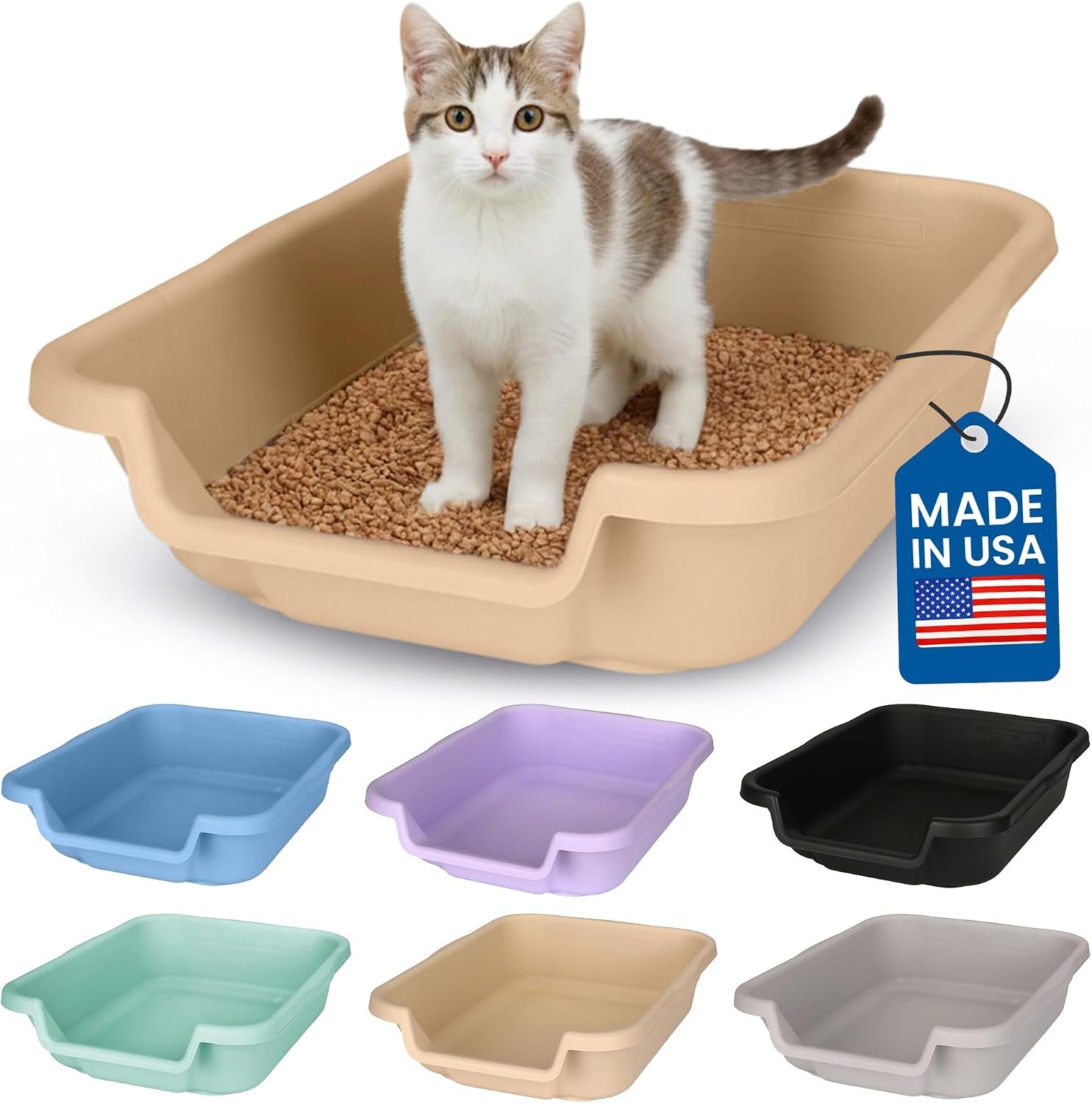
When arthritic bunnies urinate right beside their box, it is an expression of joint pain rather than stubbornness. High sides hurt to jump over. The KittyGoHere eliminates this physical hurdle entirely.
4. Ottomanson Ottohome Non-Slip Rubber Backing Low-Pile Runner Rug
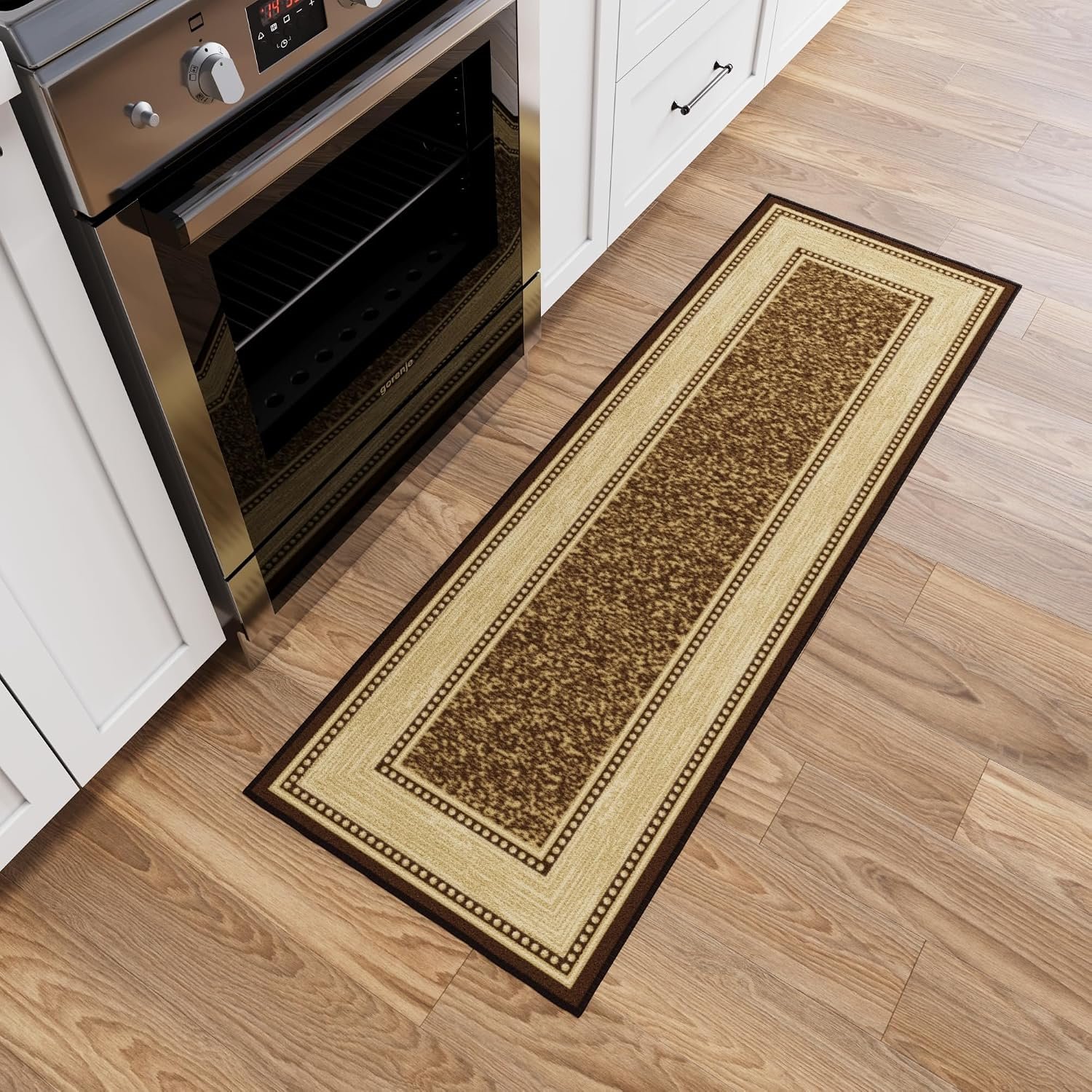
An arthritic rabbit on slick flooring experiences intense anxiety and joint pain with every hop. Setting up runners creates secure walking pathways connecting their sleeping bed, litter box, and feeding crocks.
5. Kaytee Heavy Duty Stoneware Ceramic Pet Dish
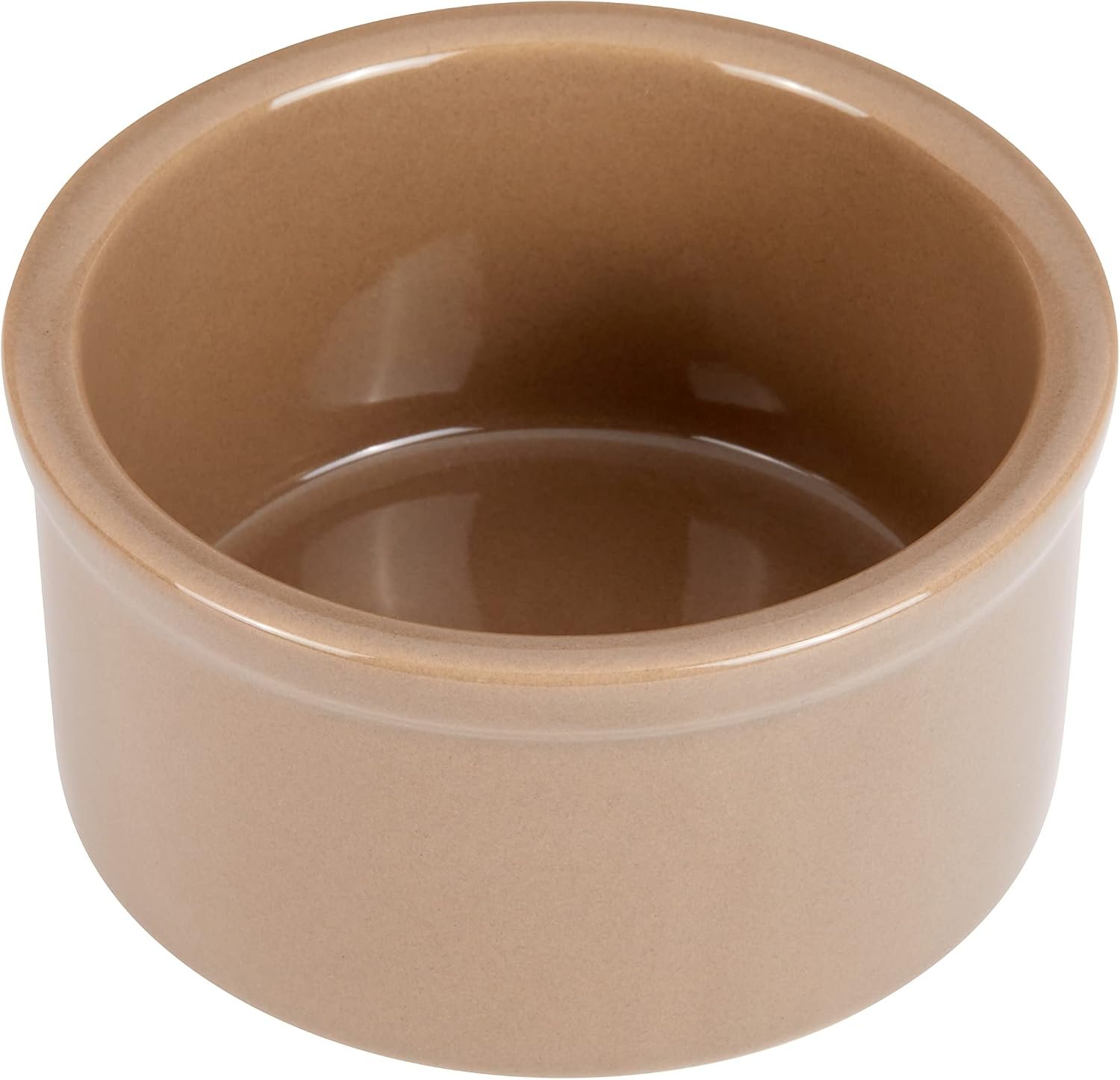
Cervical spinal arthritis makes tilting the head back to suck from a metal sipper spout very painful. Senior rabbits drink twice as much water from open bowls, keeping the cecum hydrated and active.
6. BinkyBunny Maze Haven Cardboard Tunnel & Foraging Playhouse
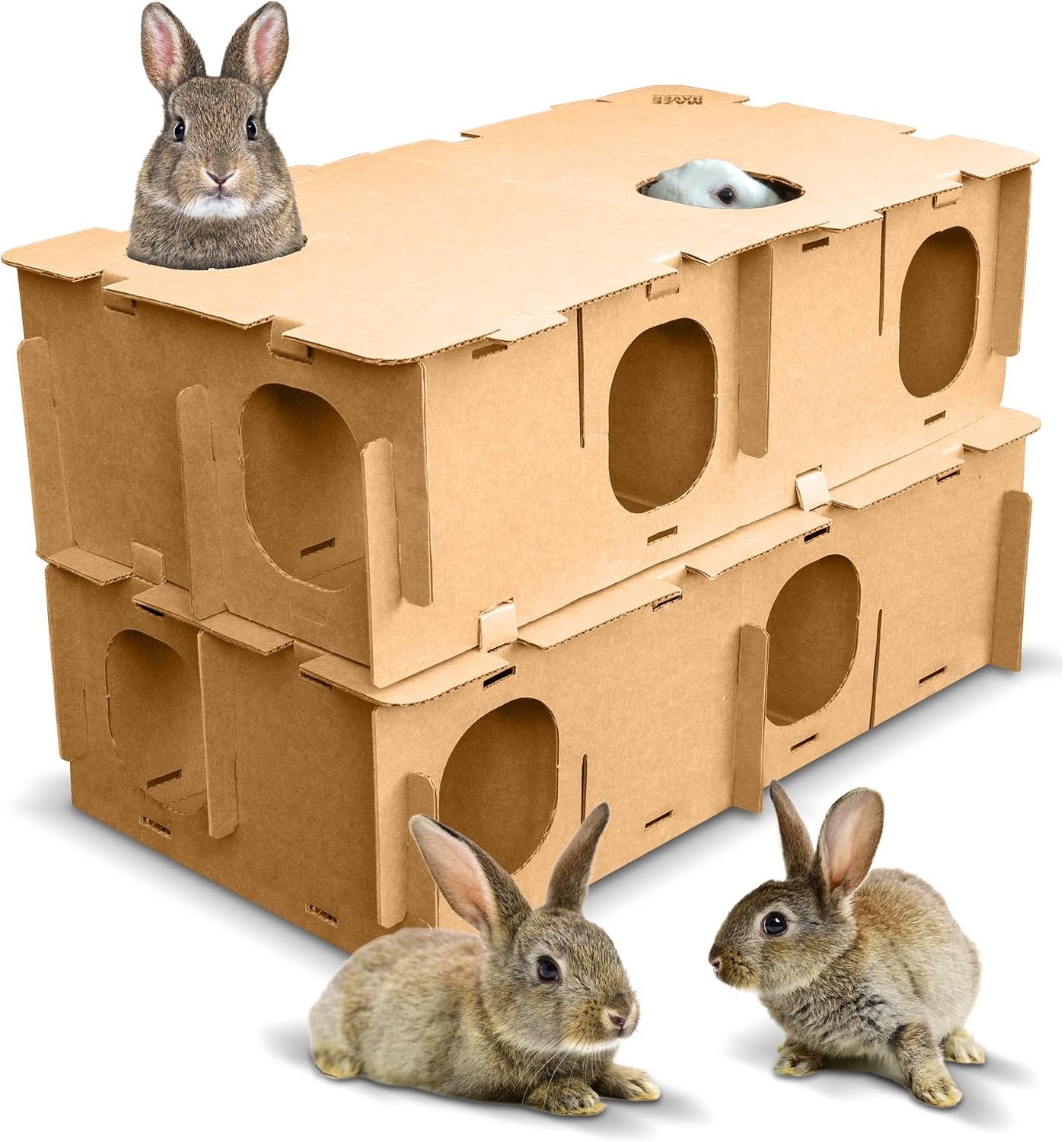
Older rabbits still have a deep instinctive need to forage, explore, and feel sheltered from overhead threats. The Maze Haven allows seniors to navigate tunnels and investigate treats without jarring sore knees or hips.
8. Warning Signs Your Rabbit Enclosure Needs Urgent Adjustment
Carefully inspect your bunny daily routine for these telltale signs of environmental discomfort:
- Urinating immediately outside the box: A classic signal that stepping into the litter tray causes painful joint twinges.
- Reluctance to leave carpeted zones: Frozen hesitation at hardwood room borders indicates extreme fear of slipping.
- Red or balding hocks: Early stage pododermatitis signaling inadequate floor cushioning.
- Avoiding upper floors or hideouts: Ramps or platforms have become too difficult or dangerous to navigate.
- Fecal matter adhering to the tail: Inability to adopt the normal high-arching posture required for clean cecotrope consumption.
9. Frequently Asked Questions
Click below to expand veterinary answers to common questions about senior rabbit enclosure setups:
How big should a rabbit cage be?+
What do bunnies need in their cage?+
How do I set up a cage for an older rabbit with arthritis?+
Is an exercise pen better than a cage for senior rabbits?+
Why is my senior rabbit peeing outside the litter box?+
How do you treat sore hocks in rabbits at home?+
Are ramps safe for rabbits with arthritis?+
Should my senior rabbit have a water bottle or a bowl?+
10. The Bottom Line
Designing an arthritis-friendly living space is the most impactful gift you can give an aging bunny. By eliminating slick floors, providing low-entry litter pans, keeping hay and water at chin level, and padding every resting corner, you remove daily barriers to comfort.
When a senior rabbit can move without fear of falling or joint ache, their appetite improves, litter box habits return, and their gentle curiosity shines through once again.
Veterinary Medical Notice: This article provides general educational information for rabbit caregivers and is not a substitute for clinical veterinary diagnosis or orthopedic treatment. If your rabbit exhibits signs of severe joint pain, foot ulcerations, or sudden mobility loss, consult a qualified exotic animal veterinarian promptly.

