
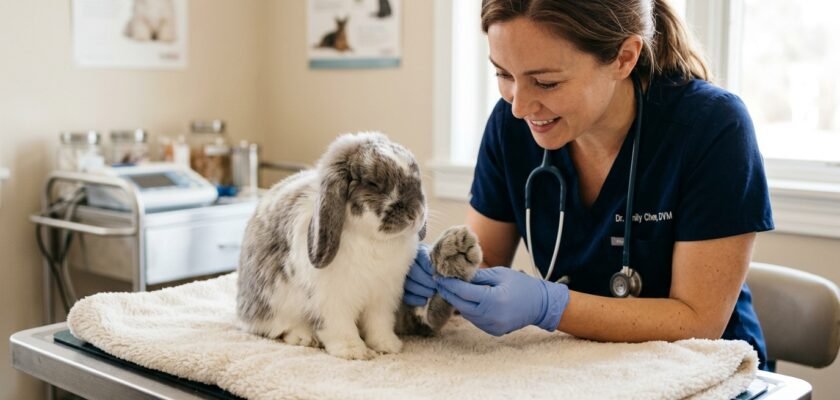
Elder Pet Health is reader-supported. When you buy through our links, we may earn a small commission at no extra cost to you. Every rabbit product featured here has been tested for safety, joint relief, and senior bunny comfort.
✓
Quick Overview: Top Sore Hock Prevention Picks
Veterinary Verified
Rabbits do not have paw pads like cats or dogs. They only have a layer of fur over their heel bones. When bunnies get older, stiff joints make them lean back on their heels.
This extra pressure rubs the fur off. Soon, the skin turns red, sore, and swollen. Stopping sore hocks takes four simple steps: soft floors, dry bedding, short nails, and gentle skin care. Here are our top tested picks:
★ 9.8 / 10 Score
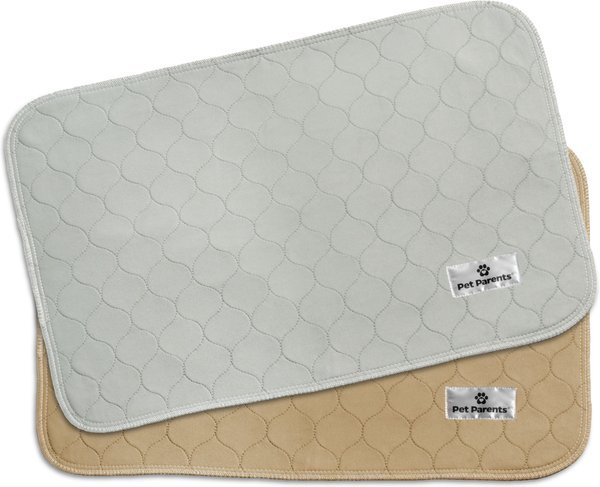
Pet Parents Pawtect Washable Padded Mat
★ 9.7 / 10 Score
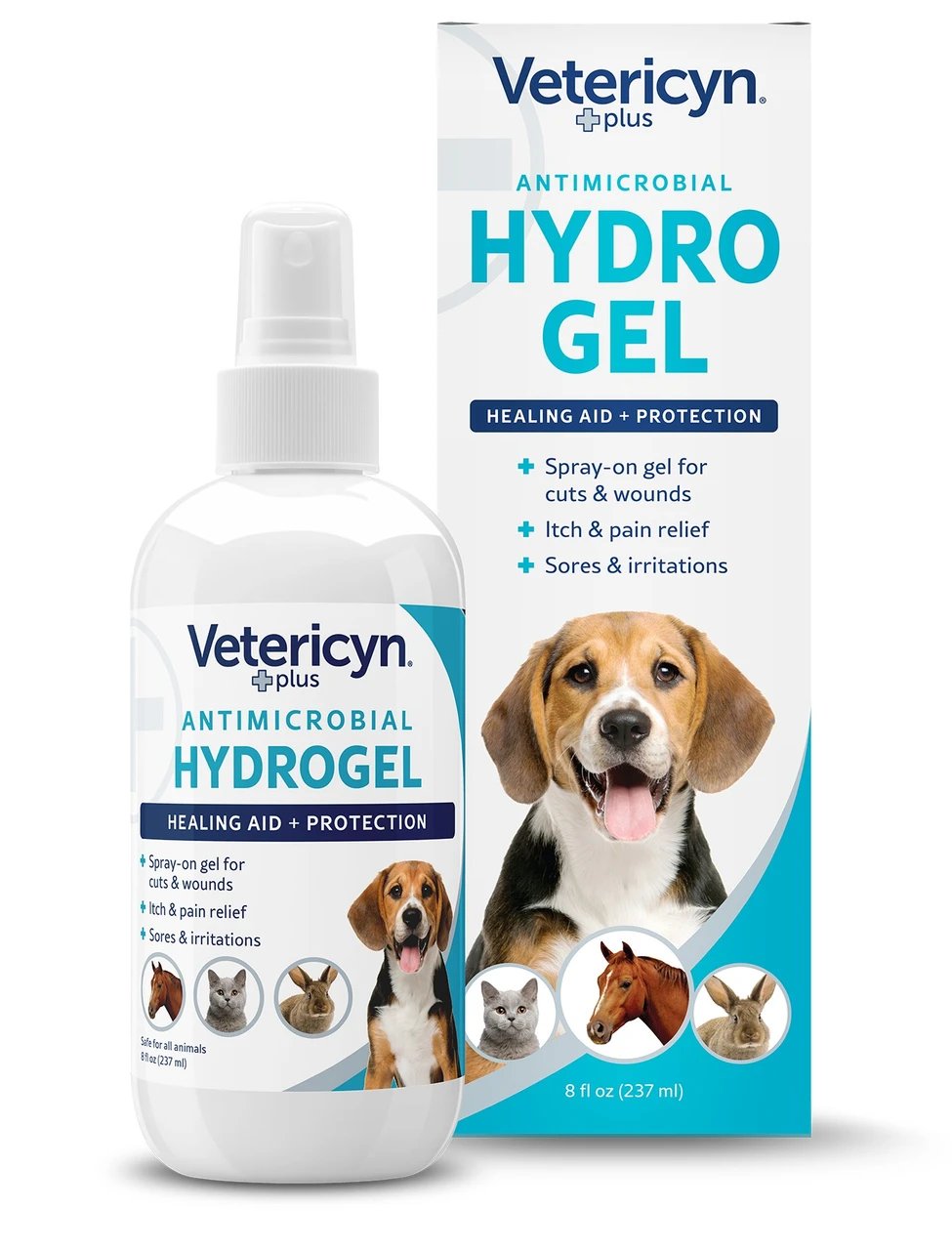
Vetericyn Plus All Animal Hydrogel Spray
★ 9.6 / 10 Score
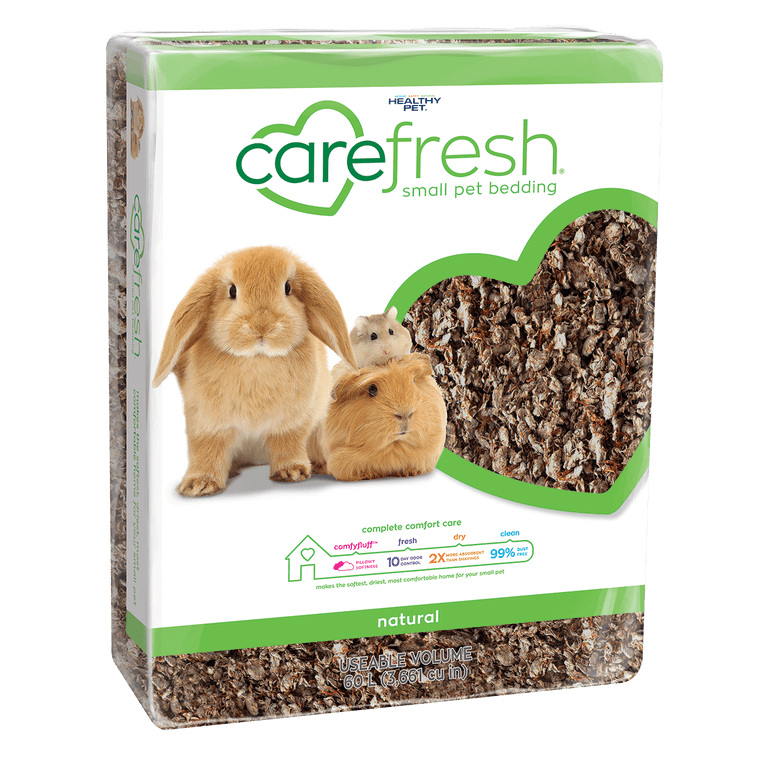
Carefresh Dust-Free Natural Paper Bedding
Table of Contents
Why Older Bunnies Get Sore Hocks
Rabbit feet are delicate. Dogs and cats have tough, rubbery pads on their paws. Rabbits do not have any pads. They only have a layer of thick fur over their bare skin.
Young rabbits hold their weight forward on their toes. But older rabbits often get stiff hips and backs. Just like in older dogs with joint pain (read our guide on signs of arthritis pain in older pets), sore joints change how a pet stands.
To ease joint pain, older rabbits lean back on their heels. This presses their heavy body weight right onto the heel bone. Over time, the fur thins out. Soon, the bare skin rubs against the floor, leading to painful sores known as sore hocks.
- Sitting Too Long: Stiff bunnies sit in one spot for hours. This traps heat and weight on their heels.
- Long Claws: Long nails hit the floor first. They push the toes up and force the heels down hard.
- Damp Litter: Wet bedding softens the skin. Strong urine burns make the skin crack and bleed fast.
The 5 Stages of Sore Hocks
Sore hocks start small and get worse over time. Check your rabbit’s feet every week. Catching it early keeps your bunny pain-free.
| Stage | What It Looks Like | Risk Level | What to Do |
|---|---|---|---|
| Stage 1 | Thinning fur on heels. Smooth, pale pink skin underneath. | Mild | Add soft fleece mats. Keep litter clean and dry every day. |
| Stage 2 | Bald heels with a tough, dry callous. No cuts or blood. | Moderate | Apply skin hydrogel spray. Use thick padded mats on all floors. |
| Stage 3 | Cracked callous, bright red skin, or small bleeding scabs. | Serious | See your vet right away. Your bunny needs pain meds and wound care. |
| Stage 4 & 5 | Deep open holes, yellow pus, bad smell, or swollen foot. | Emergency | Urgent vet visit. Needs antibiotics and X-rays to check the bone. |
Top 5 Prevention Products Compared
Here is a quick look at the best items to protect your aging bunny’s feet:
| Product | Type | Main Benefit | Score | Link |
|---|---|---|---|---|
|
Pet Parents Pawtect Mat Washable Padded Floor Pad |
Padded Floor | Pillows heels and keeps surface dry | 9.8 / 10 | View on Amazon |
|
Vetericyn Plus Hydrogel Skin Barrier Spray |
Wound Care | Lick-safe gel seals bare callouses | 9.7 / 10 | View on Amazon |
|
Carefresh Paper Bedding Natural Cellulose Litter |
Litter Box | Soft cloud fluff stops wet fur burns | 9.6 / 10 | View on Amazon |
|
Shiny Pet Safety Clippers Angled Nail Trimmers |
Nail Care | Stops nails from tipping foot backward | 9.5 / 10 | View on Amazon |
|
Oxbow Joint Support Tabs Natural Herbal Chews |
Joint Chews | Eases stiff back joints, helps normal stance | 9.6 / 10 | View on Amazon |
Detailed Product Reviews & Scores
★★★★★ 9.8 / 10 Clinical Score
1. Pet Parents Pawtect Washable Padded Floor Mat
Hard floors hurt older rabbits. Slippery wood or tile makes their legs slide. Rough carpets act like sandpaper on tender heels.
The Pawtect Mat solves this right away. It has thick inner padding that softens every hop. Use it alongside our top-rated non-slip rugs for aging pets to give your bunny steady, soft footing across the entire room.
- Thick quilted padding spreads weight away from the heel bone.
- Draws moisture inside to keep your bunny’s feet completely dry.
- Sticky rubber nubs keep the pad firmly in place on smooth floors.
- Tosses in the washing machine for fast, clean, and easy care.
- If your bunny chews corners, tuck edges under pen walls.
- Takes slightly longer to dry than thin towels due to thick padding.
★★★★★ 9.7 / 10 Clinical Score
2. Vetericyn Plus All Animal Hydrogel Spray
Never use human skin ointments on a rabbit. Creams like Neosporin or Sudocrem contain zinc and heavy oils. When rabbits clean their feet, swallowing these creams can stop their gut from moving.
Vetericyn Hydrogel is made specifically for animals. It sprays on as a thick gel that stays on the bare heel. It kills harmful germs while keeping the dry skin flexible so it does not split open.
- Kills bacteria fast without harming delicate skin cells.
- Free of steroids, alcohol, or scents that could upset your bunny.
- Gel layer stays in place instead of running off the foot.
- Cools red, warm heels right away to give fast relief.
- Best used two times a day on bald or pink heels.
- If an open wound has yellow pus, see your vet for antibiotics.
★★★★★ 9.6 / 10 Clinical Score
3. Carefresh 99% Dust-Free Natural Paper Bedding
The litter box is where most sore hocks turn bad. Rabbits love to sit and eat hay in their pan for a long time. If the bedding is damp or rough, it burns bare heels.
Filling the pan with Carefresh Paper Bedding keeps their feet soft and dry. Its cloud-like texture protects heel bones from pressure. Make sure to put it in one of our recommended low-entry rabbit litter boxes so your bunny can walk in easily without dragging their feet.
- Super soft paper fibers give gentle support under heavy feet.
- Soaks up wetness fast so heels never sit in damp puddles.
- Low dust keeps your older rabbit’s nose and lungs clear.
- Clean and non-toxic with zero cedar or pine wood oils.
- Clean out wet corner spots every one to two days.
- Spread at least two inches deep for the best soft cushion.
★★★★★ 9.5 / 10 Clinical Score
4. Shiny Pet Small Animal Safety Nail Clippers
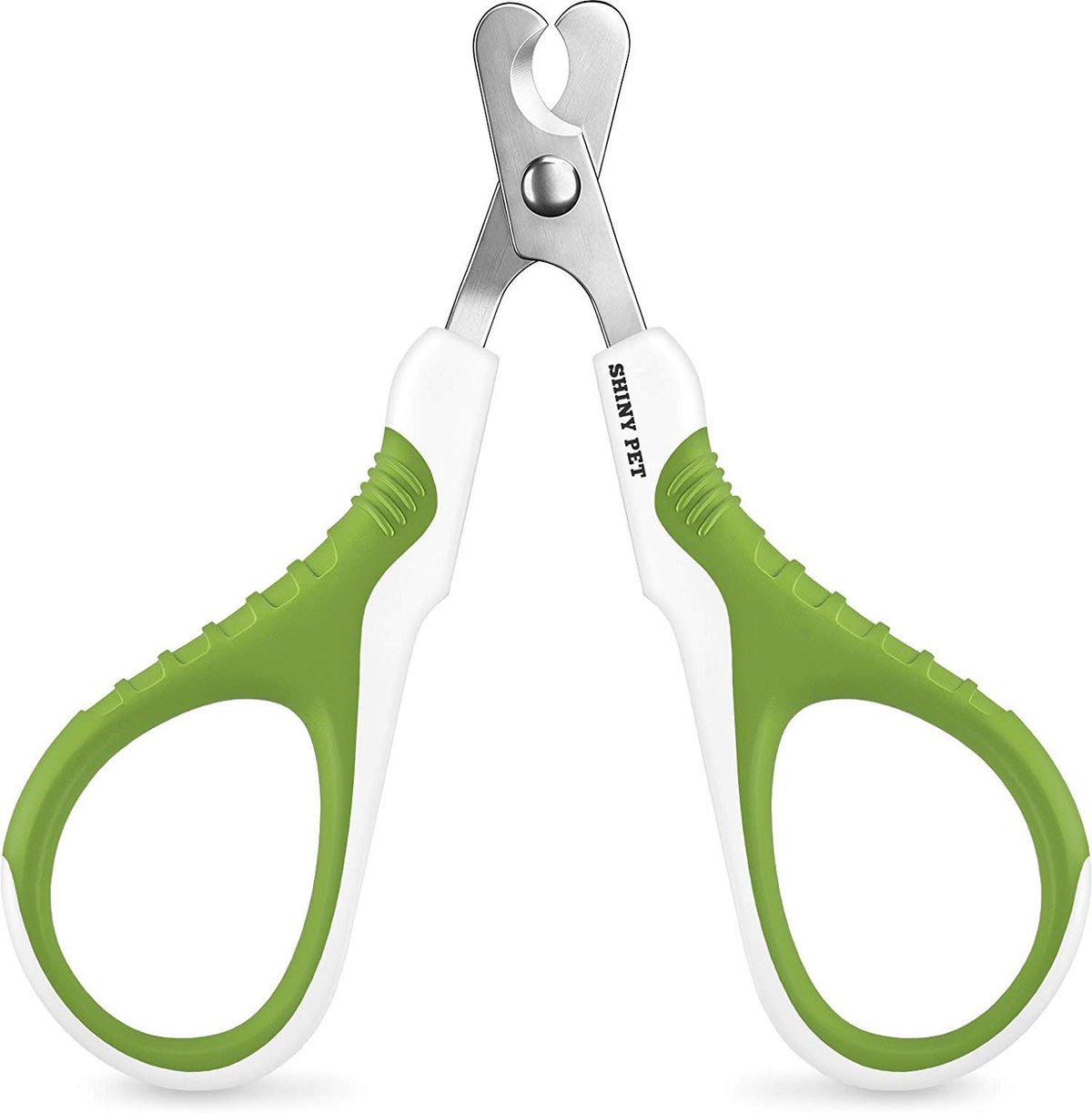
Rabbit claws never stop growing. Younger bunnies wear them down by digging and running. Older bunnies hop much less, so their nails grow long.
When claws get too long, they push against the floor. This forces the toes up and rocks the rabbit back on their heels. Trimming claws every three weeks with Shiny Pet Clippers stops this problem before it starts.
- Curved blades cup round claws so the clippers do not slip.
- Sharp surgical steel shears cleanly without pinching the quick.
- Non-slip finger grips give full control for jumpy bunnies.
- Stops nails from tipping body weight back onto sore heels.
- Use a phone flashlight behind dark claws to see the pink blood line.
- Have a helper hold your rabbit gently while you clip.
★★★★★ 9.6 / 10 Clinical Score
5. Oxbow Natural Science Joint Support Small Animal Supplement

You cannot fix sore hocks on the outside if joint pain keeps hurting on the inside. When hopping hurts, bunnies sit still for too long.
Oxbow Joint Support gives your rabbit pure plant-based joint nutrients in a hay wafer. As their back and hips loosen up, your bunny can stand with weight on their toes again, taking pressure off their heels.
- Glucosamine helps rebuild natural joint fluids and cushion.
- Turmeric and ginger ease pain and body inflammation.
- Timothy hay base protects delicate rabbit digestion.
- Helps your rabbit stand up tall without leaning back on heels.
- Feed daily for three to four weeks to see full benefits.
- Very stiff rabbits may still need liquid pain meds from your vet.
The 4-Step Home Care Routine
Keeping sore hocks away is easy when you follow these four simple home care steps:
Put soft foam play mats under thick fleece blankets. This softens every step and gives your older rabbit great grip.
Scoop wet spots out every day. Wet bedding burns bare heel skin. Always use soft paper bedding, never hard wood pellets.
Trim claws every three weeks. Short nails keep your rabbit’s toes down and stop body weight from pressing on their heels.
If your older bunny moves stiffly, ask your vet for an arthritis check. Blood tests (see our guide to senior pet blood work tests) help your vet choose the safest joint relief.
Frequently Asked Questions
Can I put baby socks on my rabbit’s sore hocks?
Be very careful. Socks can trap moisture and make skin infections worse. Tight tape or bands can also cut off blood flow to the foot. Only wrap or dress a rabbit’s foot if your vet shows you how to do it safely.
Is Sudocrem or Vaseline safe for rabbit feet?
No. Sudocrem has zinc, which is toxic when a rabbit licks their feet. Vaseline is greasy and mats down surrounding fur. Always use a lick-safe animal spray like Vetericyn Hydrogel instead.
Is a bald callous on my rabbit’s heel normal?
Yes. Small bald callouses are very common on older bunnies. As long as the skin is pale, smooth, dry, and not red or bleeding, it is safe. Just give your rabbit soft padded floors to keep it from breaking open.
When should I take my rabbit to the vet?
Take your rabbit to the vet right away if you see blood, open sores, yellow pus, or swelling. Without fast care, germs can spread into the foot bone, which causes severe pain.
Reviewed by the Elder Pet Health Team
Our rabbit health articles are prepared with exotic pet veterinary experts to give you practical, safe, and science-backed advice for your aging pets.
