
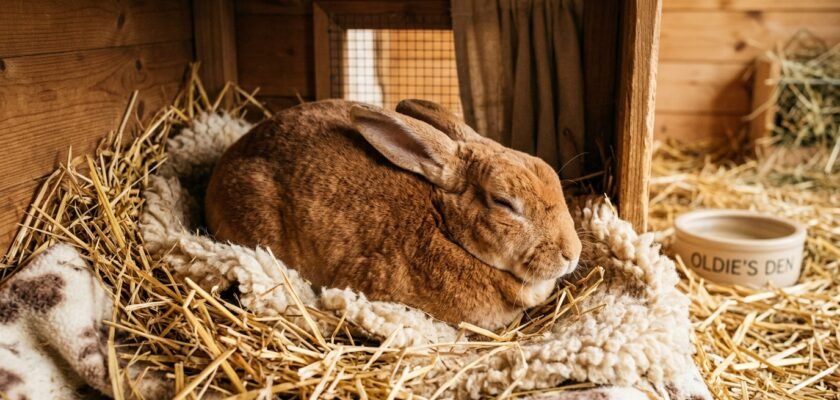
Quick Answer: How Cold Is Too Cold for a Senior Rabbit?
While young, healthy outdoor rabbits can tolerate temperatures near freezing when shielded from drafts, senior rabbits require far greater thermal protection. Once ambient temperatures dip below 40°F (4°C), aging bunnies struggle significantly with thermoregulation due to muscle wasting, thinning fur, and slower metabolic reserves.
Whenever temperatures drop below 32°F (0°C), senior rabbits should always be brought indoors into a draft-free room or heated enclosure. Cold weather exacerbates spinal arthritis, reduces gut motility, and easily induces hypothermia. Wind, freezing rain, and damp bedding are substantially more dangerous than dry ambient cold alone.
Key Takeaways: Winter Care Essentials for Senior Rabbits
- Age alters cold tolerance dramatically: Senior rabbits lose core body heat quickly and lack the subcutaneous fat layers of younger adults.
- Dampness and drafts are lethal: A dry, sheltered rabbit tolerates chilly air far better than a damp rabbit exposed to winter winds.
- Indoors is safest for seniors: Bring older rabbits into a cool interior room, predator-proof insulated shed, or heated outbuilding during winter.
- Cold directly intensifies arthritis: Stiff, aching joints discourage hopping, leading to anorexia, dirty fur, and painful urinary retention.
- Hay acts as internal heating: Bacterial cecal fermentation of long-strand grass hay generates continuous core body heat around the clock.
Table of Contents
- 1. Do Rabbits Get Cold? Rabbit Thermoregulation Explained
- 2. Why Senior Rabbits Feel the Cold More Deeply
- 3. How Cold Is Too Cold? Clinical Temperature Thresholds
- 4. Signs Your Senior Rabbit Is Too Cold (Hypothermia Warning)
- 5. What to Do If Your Rabbit Is Chilled (Safe Warming Protocols)
- 6. Can Rabbits Live Outside in Winter? Indoor Transition Advice
- 7. How to Keep an Outdoor Enclosure Warm and Insulated
- 8. Keeping an Indoor Senior Rabbit Comfortable in Winter
- 9. Managing Arthritis and Mobility in Cold Weather
- 10. Winter Nutrition and Preventing Frozen Water
- 11. Frequently Asked Questions
- 12. The Bottom Line and Veterinary Disclaimer
1. Do Rabbits Get Cold? Rabbit Thermoregulation Explained
Yes, rabbits absolutely get cold, although their evolutionary biology equips them to withstand cooler temperatures much better than scorching heat. In nature, European wild rabbits escape winter freezes by retreating into underground warrens where subterranean soil temperatures remain relatively constant between 45°F and 55°F (7°C to 13°C).
Domestic rabbits lack subterranean burrows. Furthermore, lagomorphs possess a unique physiology: rabbits cannot sweat. They regulate their core temperature predominantly through vasomotor dilation and constriction of blood vessels in their large, vascularized ears, accompanied by respiratory heat exchange.
When a rabbit feels cold, systemic vasoconstriction diverts blood flow away from the pinnae toward vital thoracic and abdominal organs. That is why feeling the base of your rabbit ears provides an immediate initial indicator of their circulatory warmth.
2. Why Senior Rabbits Feel the Cold More Deeply
A healthy, vigorous two-year-old rabbit and an eight-year-old senior rabbit respond completely differently to the exact same frosty evening. Aging rabbits suffer from multiple physiological vulnerabilities:
- Sarcopenia and fat loss: Older bunnies naturally experience age-related muscle loss and lower body fat reserves, drastically reducing their insulating barrier.
- Joint degeneration (osteoarthritis): Freezing temperatures cause synovial fluid to thicken, intensifying joint pain. Stiff rabbits move less, eliminating physical muscle contraction that generates thermal energy.
- Subclinical dental spurs: Molar spurs make chewing fibrous hay painful. Because hindgut fermentation of fiber produces core body heat, eating less hay leaves older bunnies internally cold.
- Coat thinning and poor grooming: Arthritic seniors cannot bend easily to groom their backs and hindquarters. Matting and thinning fur drastically diminish thermal efficiency.
- Cardiovascular and renal changes: Reduced circulatory efficiency and dormant conditions like E. cuniculi infection weaken systemic metabolic response.
3. How Cold Is Too Cold? Clinical Temperature Thresholds
Use the clinical thresholds below as an operational guideline for your rabbit housing decisions. Keep in mind that wind chill and ambient moisture make temperatures feel significantly colder than thermometer readings indicate:
| Temperature Range | Healthy Adult Rabbit (Sheltered) | Senior Rabbit (6+ Years) |
|---|---|---|
| 60°F to 70°F (15°C to 21°C) | Optimal comfort range | Optimal comfort range |
| 50°F to 60°F (10°C to 15°C) | Comfortable with dry bedding | Comfortable; ensure non-slip padded bedding |
| 40°F to 50°F (4°C to 10°C) | Safe with windproof enclosure | Caution: Needs extra straw insulation and monitoring |
| 32°F to 40°F (0°C to 4°C) | Requires deep straw and thermal hutch covers | High Risk: Move indoors, especially overnight |
| Below 32°F (0°C Freezing) | Severe danger: Risk of frozen water and hypothermia | Critical: Bring indoors immediately |
| Below 20°F (-7°C) | Extreme emergency: Must be brought inside | Lethal without heated indoor housing |
Notice the upper boundary as well: rabbits begin experiencing acute heat exhaustion starting at 80°F (27°C). Indoor winter environments should be comfortably cool (60°F to 68°F), rather than overheated next to scorching radiators.
4. Signs Your Senior Rabbit Is Too Cold (Hypothermia Warning)
Hypothermia sets in when a rabbit core body temperature drops below normal levels of 101°F to 103°F (38.3°C to 39.4°C). If core body temperature falls below 100°F (37.8°C), enzymatic reactions fail and gut motility stalls completely.
Watch for these critical clinical indicators that your senior rabbit is severely chilled:
- Icy ears and extremities: The base of the ears, paws, and nose feel palpably cold to your touch.
- Tense hunched posture: Sitting bunched into a tight ball with eyes half-closed and paws tucked completely under.
- Shivering or tremors: Involuntary muscle shivering to generate metabolic warmth.
- Marked lethargy: Slowed reflexes, reluctance to move, or sleeping heavily without responding to voice.
- Sudden appetite cessation: Refusing pellets, fragrant greens, and hay, precipitating acute senior rabbit GI stasis.
- Weak, shallow breathing: Chest barely expanding as the nervous system slows down.
5. What to Do If Your Rabbit Is Chilled (Safe Warming Protocols)
Warming a severely chilled rabbit must be performed gradually and cautiously. Rapid reheating causes massive peripheral vasodilation, precipitating circulatory collapse and fatal shock:
| Safe Warming Protocols (Do This) | Dangerous Home Actions (Avoid This) |
|---|---|
| Bring indoors immediately: Move the rabbit into a draft-free, quiet room held at 65°F to 68°F. | Never use a hair dryer or heating lamp: Direct intense hot air scorches delicate rabbit skin and triggers fatal thermal shock. |
| Wrap loosely in warm dry towels: Warm towels in the dryer for a few minutes and wrap them snugly around the body. | Never submerge in warm baths: Wetting a hypothermic rabbit strips remaining insulation and causes cardiac arrest. |
| Provide towel-wrapped hot water bottle: Place beside (never directly under) their body so they can move away if desired. | Never place directly on uncovered electric pads: Uncontrolled heating pads cause severe contact burns and electrocution if chewed. |
| Offer room-temperature water & fragrant hay: Hydration and fresh timothy hay restart metabolic heat generation. | Never force feed a lethargic, cold rabbit: Chilled guts cannot digest food; syringe feeding while hypothermic causes aspiration. |
| Call an exotic veterinarian: Critical hypothermia requires warmed subcutaneous IV fluids and clinical incubator care. | Never wait overnight to check recovery: Hypothermia progresses to respiratory arrest within hours if unaddressed. |
Veterinary Guidance on Safe Warming Gear
When selecting supplemental warmth for aging rabbits, standard household heating pads are dangerous. They run far too hot and expose delicate plastic wiring to curious teeth. We recommend dedicated cordless heat discs or low-wattage units with steel-wrapped cord armor. Read our tested selections in the best heated pads and winter warmers for senior rabbits for safe microwave reservoirs and weatherproof hutch pads.
6. Can Rabbits Live Outside in Winter? Indoor Transition Advice
Pet parents frequently ask: can rabbits live outside in winter? Or specifically, can Holland Lops live outside? While hardy, well-adapted adult rabbits with thick double coats can live outdoors in temperate climates, dwarf and lop breeds have higher surface-area-to-mass ratios that radiate body heat rapidly.
For senior rabbits over six years of age, veterinary consensus is unanimous: senior rabbits should be transitioned indoors during the cold winter months. An aging bunny simply lacks the metabolic reserve to fight sub-freezing temperatures night after night.
If moving an outdoor bunny indoors, avoid putting them directly into a hot 75°F living room, as extreme temperature swings cause respiratory distress. Instead, start them in an unheated but draft-free utility room, insulated shed, or attached garage (free from car fumes) held at 55°F to 62°F before introducing them to the main household.
7. How to Keep an Outdoor Enclosure Warm and Insulated
If keeping your rabbit outside is unavoidable, implement these heavy-duty winter weatherproofing measures:
- Elevate the hutch: Raise the floor at least 12 to 18 inches off the ground using cinder blocks or sturdy legs to prevent rising frost and ground moisture absorption.
- Position against windward walls: Place the enclosure flush against an exterior house wall shielded from prevailing northern and eastern winter gales.
- Double-layer exterior insulation: Fasten corrugated plastic panels, heavy tarpaulins, or thermal hutch covers over the exterior, leaving a two-inch gap near the roofline for continuous airflow to prevent damp ammonia buildup.
- Deep golden barley straw bedding: Straw has hollow shafts that trap warm air, making it far superior to hay for insulation. Line the sleeping box deep with clean straw and refresh wet spots daily.
- Safe microwavable heat discs: Place a pet-safe microwavable heat pad (such as a Snugglesafe disc) wrapped in fleece inside their nesting burrow for up to 8 hours of cordless radiant warmth.
8. Keeping an Indoor Senior Rabbit Comfortable in Winter
Even indoor bunnies encounter chilly zones in modern homes. Cold air pools near floorboards, and exterior door drafts create icy currents right where rabbits spend 100 percent of their time.
To optimize indoor winter warmth:
- Cover cold hardwood and tile floors: Lay down thick, washable fleece blankets and dense non-slip runner rugs to block thermal conduction from cold flooring.
- Establish a dedicated thermal resting zone: Provide a gentle, pet-calibrated warming pad on top of padded rugs. Review our guide on heated pads for senior rabbits to choose chew-safe options that comfort aging joints without overheating.
- Block floor-level drafts: Install draft stoppers at external doorways and position the rabbit pen away from low-set windows.
- Provide an enclosed nesting hideout: A simple cardboard hide box with an easy-access door stuffed with soft bedding creates an insulated microclimate.
- Maintain safe distance from heating sources: Keep enclosures at least three feet away from space heaters, wood stoves, and baseboard radiators to prevent dry skin and overheating.
9. Managing Arthritis and Mobility in Cold Weather
Cold ambient temperatures significantly exacerbate arthritis in senior bunnies. When joints ache, older rabbits avoid moving, leading to muscle atrophy, litter box refusal, and painful feet.
Help your arthritic senior manage winter with these targeted adjustments:
- Install low-entry litter boxes: Arthritic rabbits cannot jump over 5-inch plastic walls. Switch to an accessible low-entry rabbit litter box with a cut-down front lip.
- Protect sensitive hocks: Sitting motionless on rough or damp floors causes ulcerative pododermatitis. Learn key preventative steps in our guide on preventing sore hocks in aging rabbits.
- Place food and water at ground level: Never force an arthritic rabbit to stand on their hind legs to reach high water bottles or wall feeders. Use heavy ceramic bowls on the floor.
- Consult your veterinarian regarding pain relief: Many senior rabbits benefit immensely from prescription anti-inflammatory medication (such as meloxicam) during cold snaps.
10. Winter Nutrition and Preventing Frozen Water
Digestion is a biological furnace. In rabbits, cecal fermentation of long-stem fiber operates continuously, releasing metabolic warmth throughout the abdomen. Unlimited grass hay (timothy, orchard grass, or meadow hay) is the single most effective internal warming strategy you can provide.
Complement unlimited hay with room-temperature leafy greens from our senior rabbit diet guide, avoiding ice-cold vegetables straight from the refrigerator.
Beware of frozen water: Rabbits will refuse dry hay if they cannot drink, triggering fatal GI stasis within 12 hours. In outdoor setups, check water bowls three times daily, swap bottles with warm spares, or use a thermostatically controlled electric heated water bowl designed specifically with chew-proof cord armor.
11. Frequently Asked Questions
Click below to expand veterinary answers to common questions about rabbits and winter cold:
How cold is too cold for rabbits?+
Can rabbits die from cold in the winter?+
Do rabbits get cold at night?+
How do I know if my rabbit is cold?+
Do rabbits need heat lamps in winter?+
Do bunnies like the cold?+
Should I bring my outdoor rabbit inside for winter?+
Do rabbits sweat?+
Can Holland Lops live outside in winter?+
12. The Bottom Line
Rabbits possess remarkable winter adaptations, but age fundamentally transforms how their bodies manage the cold. An older bunny dealing with arthritis, muscle loss, or dental challenges cannot safely weather freezing temperatures that younger rabbits might endure.
Protect your senior bunny by keeping them dry, shielded from drafts, well-nourished with constant grass hay, and comfortably housed indoors whenever winter temperatures plunge below 40°F (4°C). Daily monitoring of ear warmth, food intake, and fecal droppings ensures your aging companion enjoys a safe, cozy winter.
Veterinary Medical Notice: This article provides general educational guidance for pet owners and is not a substitute for clinical veterinary advice. If your rabbit feels cold to the touch, becomes unresponsive, or stops eating, seek emergency medical care from a qualified rabbit-savvy veterinarian immediately.

