
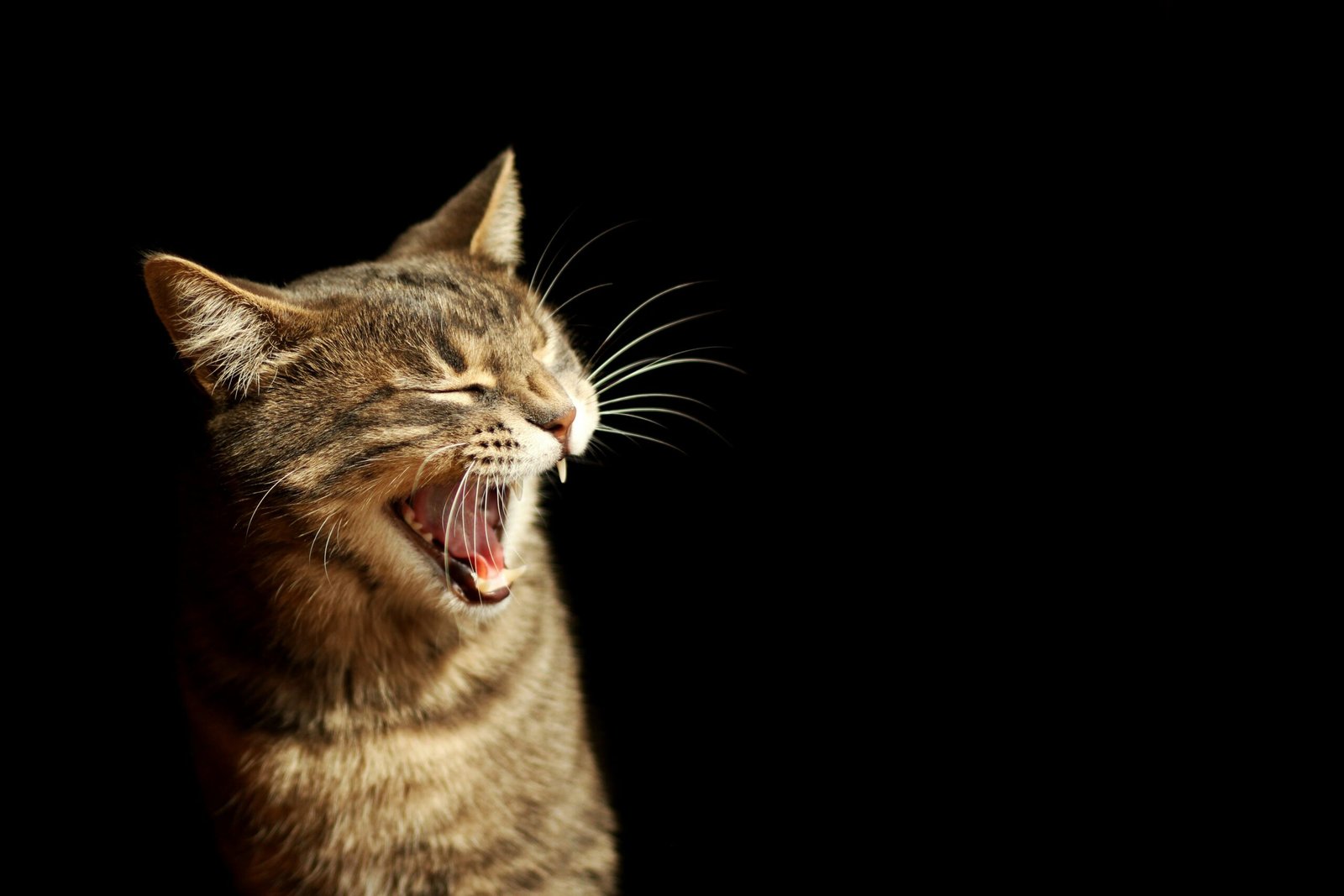
Senior Cat Yowling at Night: 8 Causes and What to Do
She is not hungry. She was just outside. And this is the fourth night in a row.
Most owners assume their cat is just getting old and grumpy. They are usually wrong. Nighttime yowling in senior cats is almost always a symptom of something medical. It is your cat’s only way to tell you something is wrong. This guide explains the 8 most common causes, how to tell them apart, and what to do about each one.
What You Need to Know First
- Feline cognitive dysfunction (dementia): disorientation and confusion in the dark
- Hyperthyroidism: overstimulated nervous system, anxiety, weight loss
- High blood pressure: headache-like pressure, retinal damage, sudden blindness
- Arthritis pain: joint pain worsens at rest overnight with no distraction
- Dental pain: tooth pain at night when eating is done and nothing distracts
- Hearing and vision loss: sensory confusion and disorientation in darkness
- Chronic kidney disease: nausea, increased thirst, discomfort at night
- Hyperthyroid-related hypertension: combination of both conditions together
Why Does It Happen at Night Specifically?
Darkness removes the visual anchors that help a disoriented or in-pain senior cat get through the day.
Your cat was probably fine all day. So why does the yowling only happen at night?
There are two reasons. The first is physical. Pain is harder to ignore at rest. During the day a cat is distracted by movement, light, and activity. At night the house is quiet, there is nothing to distract them, and discomfort becomes the only thing they can feel.
The second reason is environmental. Cats with cognitive dysfunction, hearing loss, or vision problems use visual and auditory cues to orient themselves. When the lights go off, those anchors disappear. A cat that was managing during the day suddenly feels genuinely lost in a room she has lived in for 10 years.
A survey published in the journal Animals found that among cats diagnosed with cognitive dysfunction syndrome, 40.5% of owners identified disorientation as the primary trigger for nighttime vocalization, with another 40.5% reporting attention seeking linked to anxiety. Only 2.7% attributed it primarily to pain, suggesting owners frequently underestimate pain as a driver.
What the Research Actually Shows
Nighttime yowling is a clinical signal, not a behavioral quirk
The American Animal Hospital Association guidelines state that feline cognitive dysfunction is a diagnosis of exclusion, meaning vets must first rule out pain, hyperthyroidism, hypertension, kidney disease, and sensory loss before diagnosing dementia. This is why a vet visit for a yowling cat involves more than a quick look.
The 8 Causes of Nighttime Yowling in Senior Cats
Each cause has a different pattern. Understanding which one fits your cat is the first step toward helping her.
Feline Cognitive Dysfunction (Cat Dementia)
This is the most common cause of nighttime yowling in cats over 11. The brain undergoes the same kind of amyloid plaque buildup seen in human Alzheimer’s patients. The result is genuine disorientation. Your cat is not being dramatic. She genuinely does not know where she is.
The yowling typically sounds plaintive, repetitive, and hollow. It often happens in the same spot each night, usually a hallway or doorway. The cat may walk in small circles before or after. She may stare at walls. She may seem startled when you call her name.
Other signs to look for: forgetting where the litter box is, reduced grooming, sleeping more during the day, getting stuck in corners, personality changes, and waking you at exactly the same time each night.
Hyperthyroidism
Hyperthyroidism floods the body with too much thyroid hormone. The metabolism runs too fast. The heart beats faster. The nervous system stays overstimulated. Your cat cannot settle. At night, when there is nothing to do, the anxiety and restlessness produce the yowl.
This is one of the most important causes to rule out first, because it is treatable. A simple blood test confirms it. Daily medication, radioactive iodine therapy, or a prescription diet can bring the thyroid back under control. Many owners describe their cat transforming back to their old self within weeks of starting treatment.
Other signs to look for: eating far more than usual but still losing weight, increased thirst, vomiting, diarrhea, a dull or greasy coat, and what looks like hyperactivity or restlessness in an old cat.
High Blood Pressure (Hypertension)
Hypertension in cats can develop slowly with almost no signs. Then one night a blood vessel in the retina ruptures. The cat wakes up and cannot see. The yowling that follows is panicked and intense. It is one of the most distinctive sounds cat owners describe.
Even without retinal damage, sustained high blood pressure causes a pressure-like discomfort similar to a headache. At night, with nothing to distract the cat, this discomfort triggers vocalization.
High blood pressure is often secondary to hyperthyroidism or kidney disease. Treating the underlying cause brings the blood pressure down. In severe cases, direct blood pressure medication is also prescribed.
Other signs to look for: dilated pupils that do not respond normally to light, bumping into furniture suddenly, apparent confusion with no warning, and a sudden change from normal nighttime behavior to panicked yowling.
Arthritis and Joint Pain
Over 90% of cats over 12 have radiographic evidence of joint disease. Most owners never know because cats are experts at hiding discomfort. They do not limp obviously. They do not yelp. Instead they simply yowl at night when the pain is the only thing filling the quiet.
Joint pain worsens overnight for two reasons. First, the cat has been lying still for hours and the joints stiffen. Second, there is no activity to distract from the ache. The same cat who appeared fine all day will cry at 2am because the discomfort has nothing to compete with.
Other signs to look for: hesitating before jumping onto furniture she used to leap onto easily, grooming less around the hips and base of the tail, choosing to sleep on the floor instead of elevated spots, and moving more slowly when she first gets up.
See our guide on non-slip rugs for aging pets for home changes that reduce daily pain from slipping on hard floors.
Dental Pain and Tooth Disease
Dental disease affects most senior cats, and a large number of owners have no idea it is happening. Cats still eat even when their teeth hurt. They just eat differently, chew on one side, or swallow food more whole. The pain rarely stops them eating, so owners assume the mouth is fine.
At night, after the last meal is hours away, there is no eating to distract from an infected tooth or inflamed gum. The pain becomes the only sensation. The result is yowling that typically begins two to three hours after the last meal and gets worse toward morning.
Other signs to look for: dropping food while eating, preferring wet food suddenly, pawing at the mouth, drooling more than usual, bad breath that worsened recently, and reluctance to have the face touched.
Hearing and Vision Loss
A cat losing her hearing cannot locate sounds that used to orient her. She cannot hear you breathing in the next room. The familiar sounds of the house at night are gone. She yowls and waits for a response that confirms she is not alone.
Cats losing their vision manage surprisingly well during the day because they know their environment. At night, without light, even familiar rooms become uncertain. The yowling is essentially a navigation call. She is waiting for an echo or a response to tell her where she is.
Other signs to look for: not responding to her name when she cannot see your face, being startled more easily than before, moving more cautiously in known spaces, and the yowling stopping immediately when you switch on a light or make a sound.
Chronic Kidney Disease
Kidney disease is one of the most common conditions in cats over 10. As kidney function declines, toxins build up in the blood. The result is a persistent low-grade nausea. Cats feel it most acutely at night when they are still and have nothing to distract them.
The yowling is often paired with increased thirst and urination, which means your cat may also be using the litter box far more than usual overnight. Some cats with kidney disease yowl near the water bowl specifically.
Other signs to look for: drinking noticeably more water, urinating more often, weight loss despite reasonable appetite, vomiting in the morning on an empty stomach, a dull or unkempt coat, and reduced interest in food.
Hyperthyroidism Combined with Hypertension
These two conditions frequently occur together in cats over 12. Hyperthyroidism raises blood pressure directly. So a cat who has an overactive thyroid often also has dangerously elevated blood pressure at the same time.
The yowling in these cats tends to be louder, more intense, and more distressed-sounding than dementia-related vocalization. It is less repetitive and more reactive. The cat may seem genuinely frightened rather than simply confused.
Treatment involves addressing both conditions. Getting the thyroid under control typically brings blood pressure down significantly. Some cats require additional blood pressure medication during the initial treatment period.
How to Tell Which Cause It Might Be
You cannot diagnose your cat at home. But you can observe specific patterns before your vet visit. These observations give your vet valuable information and often speed up diagnosis significantly.
Observation Checklist: Note These Before Your Vet Visit
Cognitive dysfunction in cats is a diagnosis of exclusion. This means your vet must first rule out hyperthyroidism, hypertension, kidney disease, pain, and sensory loss before diagnosing dementia. Do not let a vet dismiss yowling as “just old age” without running blood work and checking blood pressure. A full workup for a yowling senior cat typically includes a complete blood count, thyroid panel, blood pressure measurement, and urinalysis.
What You Can Do at Home Tonight
You cannot fix a thyroid problem or dementia with a night light. But you can make your cat more comfortable while you get to the vet.
See our full guide on how mobility changes with age for more on making your home more comfortable for a senior pet in pain.
What the Vet Will Check
A good workup for a yowling senior cat is not just a quick listen and a look. Here is what a thorough investigation involves:
- Blood pressure measurement. Done with a small cuff around the leg or tail. Takes five minutes and is not stressful for most cats. This is the most important single test for ruling out hypertension.
- Thyroid panel. A blood test measuring T4 levels. Confirms or rules out hyperthyroidism. Results often available same day.
- Complete blood count and biochemistry panel. Checks kidney function, liver function, blood glucose, and overall organ health. Identifies kidney disease and diabetes.
- Urinalysis. A urine sample checks kidney concentrating ability and looks for infection, protein loss, and glucose.
- Physical examination of the mouth. Checks for obvious dental disease, though many painful conditions are invisible without full anesthesia and dental x-rays.
- Neurological and cognitive assessment. Only once the above tests come back clear, cognitive dysfunction is considered as a likely diagnosis.
Frequently Asked Questions
Do not wait more than one to two weeks. Nighttime yowling that starts suddenly in a senior cat is almost always a medical symptom, not a phase. The most common causes, which include hyperthyroidism, hypertension, kidney disease, and pain, are all progressive. The sooner they are caught, the more options you have for managing them. A sudden onset is particularly worth investigating quickly because hypertension can cause permanent retinal damage within days if untreated.
Yes, if the vet did not run blood work and check blood pressure. “Just old age” is not an acceptable explanation for sudden nighttime yowling in a senior cat without a full workup. The American Animal Hospital Association states explicitly that cognitive dysfunction is a diagnosis of exclusion, meaning every other medical cause must be ruled out first. If your vet dismissed it without testing, a second opinion from a vet who will run a thyroid panel, blood pressure check, and kidney function test is completely reasonable.
There is no cure for feline cognitive dysfunction, but there are management options. Some vets prescribe selegiline, which affects brain chemistry and can reduce some symptoms. Dietary changes rich in antioxidants and omega-3 fatty acids have evidence for slowing progression. Environmental enrichment, routine, night lights, and proximity to you at night all help reduce the anxiety that drives nighttime vocalization. Some cats also benefit from anti-anxiety medication prescribed specifically for the nighttime period.
It could be. Cats with cognitive dysfunction frequently lose the ability to track where you are when they cannot see you. What looks like separation anxiety is often disorientation anxiety: the cat knows you were there and cannot figure out where you went. Moving her sleeping area near your bedroom resolves this for many cats. It also provides useful diagnostic information: if it stops completely when she can be near you, cognitive or sensory decline is almost certainly involved.
Cats hide pain far better than dogs. You are unlikely to see obvious crying or limping. Instead, look for: hesitation before jumping, grooming less around the hips and lower back, preferring soft surfaces over hard ones, moving more slowly in the morning when cold and stiff, becoming irritable when touched in specific spots, and a general withdrawal from interaction. If your senior cat yowls at night and shows any of these signs during the day, a pain assessment with your vet is a priority. See our guide on mobility changes in aging pets for more on recognizing hidden pain.
Hyperthyroidism in cats can be genuinely cured with radioactive iodine therapy, which destroys the abnormal thyroid tissue. This is a one-time treatment with a very high success rate in cats who are otherwise healthy enough for it. Daily oral medication (methimazole) manages the condition without curing it. A prescription low-iodine diet is also an option for cats who cannot tolerate medication. Your vet will recommend the approach best suited to your cat’s age and overall health.
The Bottom Line
Your senior cat is not yowling at night to annoy you. She is yowling because something is wrong. That something has a name and, in most cases, a treatment.
The most important thing you can do this week is book a vet appointment and ask specifically for a thyroid panel, blood pressure check, and kidney function test. Tell them the yowling is new, when it started, and what pattern you have observed. That information guides the diagnostic process faster than anything else.
While you wait for that appointment, try night lights in the key rooms, keep her environment consistent, and move her sleeping spot closer to yours. Those three changes cost almost nothing and can make the nights calmer for both of you.
Your cat has lived with you for over a decade. She is not giving up on you. Do not give up on figuring out what she is trying to tell you. 🐱


[…] 🐱Related GuideSenior Cat Yowling at Night: 8 Causes and What to Do→ How much weight loss in a senior cat is concerning?▼ […]
[…] 🐱 Related GuideSenior Cat Yowling at Night: 8 Medical Causes Explained→ 💊 Related GuideDo Dog Joint Supplements Actually Work? What the Science Says→ […]
[…] 🧠 Related GuideSenior Cat Yowling at Night: 8 Causes Including Feline Dementia→ 💊 Related GuideDo Dog Joint Supplements Work? Omega-3 Evidence for Brain and Joint Health→ At what age should I start watching for dementia signs?▼ […]
[…] […]
[…] 🐱 Related Guide on Elder Pet HealthSenior Cat Yowling at Night: 8 Causes and What to Do → […]