
Can Senior Cats Eat Kitten Food for Weight Gain?
The short answer is: kitten food will not hurt her in the short term, but it is probably not the right solution, and the weight loss itself needs investigating. Here is everything you need to know.
What You Need to Know First
- Short-term use: Kitten food is safe for most senior cats for a few weeks
- Not for kidney disease cats: The higher phosphorus can accelerate kidney damage
- Better alternatives: High-calorie senior or recovery foods designed for weight gain
- First step: Vet visit to identify why she is losing weight before changing diet
Why Senior Cats Lose Weight
Weight loss in a senior cat eating normally is almost always a medical problem, not a food problem.
The most common causes of weight loss in senior cats include hyperthyroidism, which is the most frequent cause in cats over 10, followed by chronic kidney disease, diabetes mellitus, dental disease that makes eating painful, inflammatory bowel disease, and in some cases cancer.
There is also a normal physiological change called sarcopenia, the age-related loss of muscle mass that happens even in healthy cats. Older cats absorb dietary protein less efficiently, so they need more protein in their food to maintain the same muscle mass, not more calories.
A study published in the Journal of Feline Medicine and Surgery found that hyperthyroidism affects approximately 10% of cats over age 10 and is the most common endocrine disease in older cats. One of its primary signs is weight loss despite increased appetite. Feeding more or richer food does not stop the weight loss because the thyroid is burning calories faster than the cat can consume them.
What Kitten Food Actually Contains
Kitten food is formulated to support rapid growth. It is higher in protein, fat, and calories than adult or senior food. It also typically contains higher levels of phosphorus, which growing kittens need for bone development.
For a thin senior cat with no underlying disease, this calorie and protein density can genuinely help with weight gain. The food is palatable, energy-dense, and easier to eat in large quantities. Some vets do recommend it short-term for weight recovery in otherwise healthy senior cats.
When Kitten Food Can Cause Harm
For cats with chronic kidney disease, kitten food can make things meaningfully worse. Damaged kidneys cannot filter phosphorus efficiently. When phosphorus builds up in the blood, it causes further kidney deterioration. The extra calories may slow weight loss temporarily while the higher phosphorus accelerates the underlying disease.
For hyperthyroid cats, the extra calories will not stop weight loss because the disorder burns through calories regardless of intake. The cat may actually gain a little weight, but the thyroid problem continues damaging the heart and kidneys untreated.
Better Options for Senior Cat Weight Gain
High-calorie senior food
Formulated specifically for older cats who need more calories without excess phosphorus. A better starting point than kitten food.
Prescription recovery diets
Veterinary recovery diets like Hills a/d or Royal Canin Recovery are extremely calorie-dense. Often used for cats recovering from illness or surgery.
Add-ons to existing food
A small amount of cooked fish, chicken broth, or commercial food topper can increase calories and palatability without changing the core diet.
Treat the cause first
Managing hyperthyroidism with medication often results in significant weight gain without changing food at all. The same applies to treating dental pain.
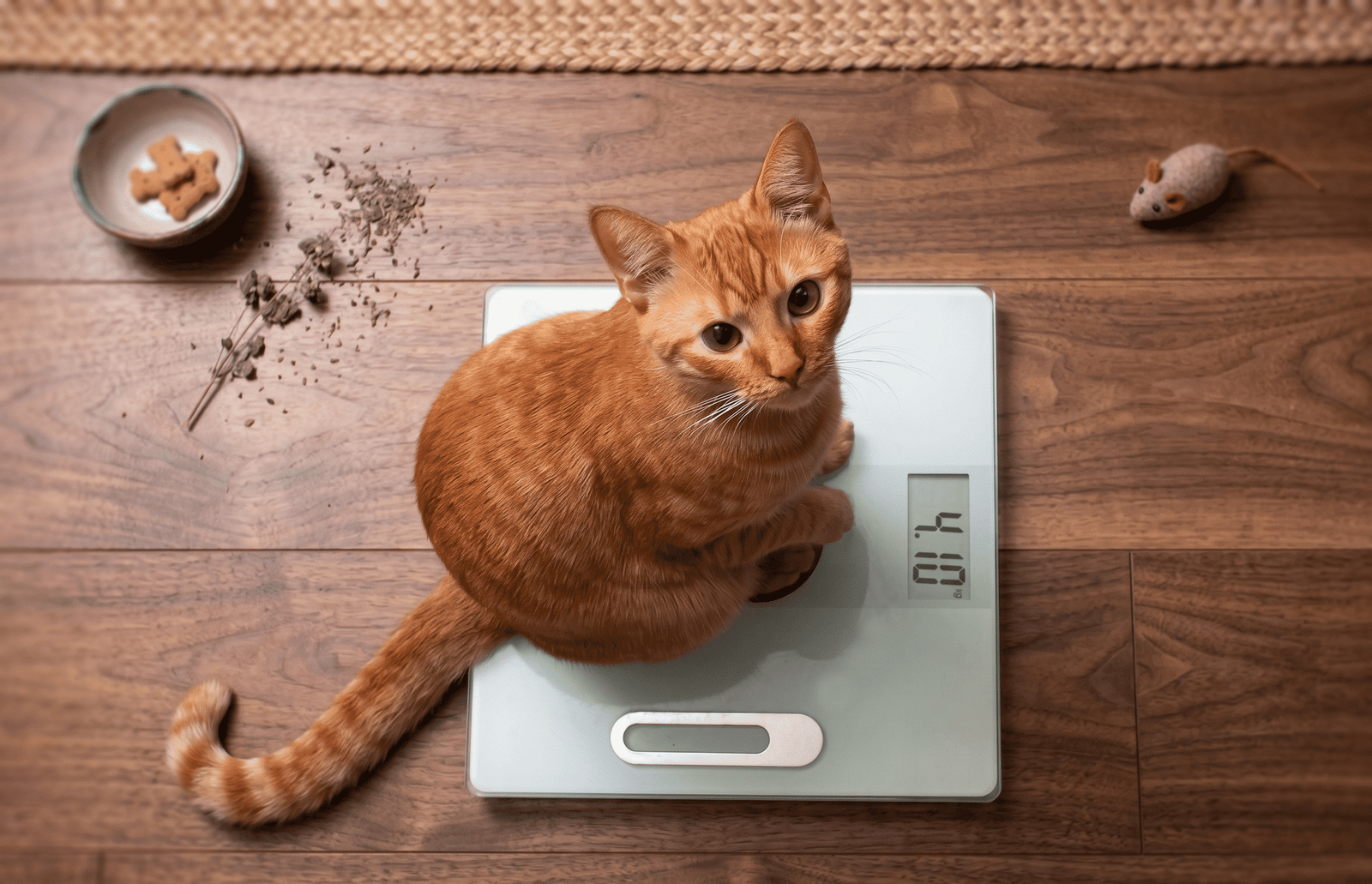
Any unexplained weight loss of more than 10% of body weight warrants a vet visit. For a 4kg cat, that is 400g. Senior cats often lose weight slowly enough that owners do not notice until the loss is significant. Weighing your cat monthly at home is one of the most useful health monitoring habits for owners of cats over 10.
Yes, mixing is a reasonable short-term approach for a cat without known kidney disease. It increases palatability, calorie density, and variety without fully switching to kitten food. Keep the ratio to no more than 30-40% kitten food until you know your cat’s kidney status. A blood test at the vet will tell you within 24 hours whether her kidneys can handle the extra phosphorus.
A cat who has always been on the lean side is different from a cat who has recently lost weight. If your cat has been consistently thin her whole life with no other signs of illness, this is likely her normal build. Recent weight loss in a cat who was previously heavier is the concerning presentation that requires investigation.
The Bottom Line
Kitten food can help a thin senior cat gain weight in the short term, but it is not a substitute for finding out why she is losing weight. The cause matters enormously for what food is right for her.
Book a vet appointment and ask for blood work including kidney values, thyroid levels, and a glucose check. Once you know what is driving the weight loss, you can choose a diet specifically suited to her needs rather than guessing.


[…] 🐱 Related Guide on Elder Pet HealthCan Senior Cats Eat Kitten Food for Weight Gain? A Vet-Inform… […]
[…] Frequently the real answer 🚨 Never starve a cat into accepting a diet. A cat who stops eating for even a couple of days can develop hepatic lipidosis, a serious liver condition. If your cat is refusing food, contact your vet rather than waiting it out. A cat eating a less-than-ideal food is in a far better position than a cat eating nothing at all. 🐱 Related Guide on Elder Pet HealthCan Senior Cats Eat Kitten Food for Weight Gain? → […]