
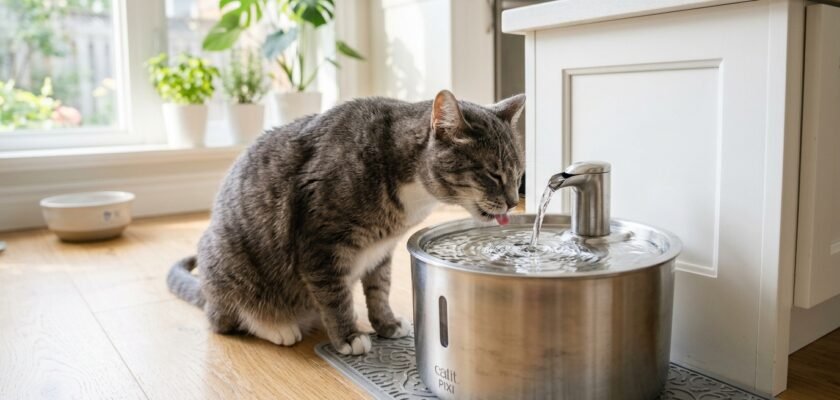
Elder Pet Health is reader-supported. When you click through our links and make a purchase, we may earn an affiliate commission at no extra cost to you. Every feline water fountain featured has been evaluated against veterinary clinical guidelines for material hygiene, whisper-quiet motor acoustics, whisker relief, and senior renal hydration support.
✓
Quick Overview: Top Feline Kidney Fountain Picks at a Glance
Veterinary Verified
In cats with Chronic Kidney Disease (CKD), recognizing early signs of feline kidney failure is vital because failing nephrons permanently lose their physiological ability to concentrate urine. As kidney damage progresses (learn how long a senior cat can live with kidney disease), voluntary oral hydration serves as your cat’s primary defense against life-threatening azotemia and uremic crises. Stagnant water bowls breed bacterial biofilm and discourage drinking, while dynamic, aerated water stimulates feline thirst instincts. Here are our top clinically recommended models:
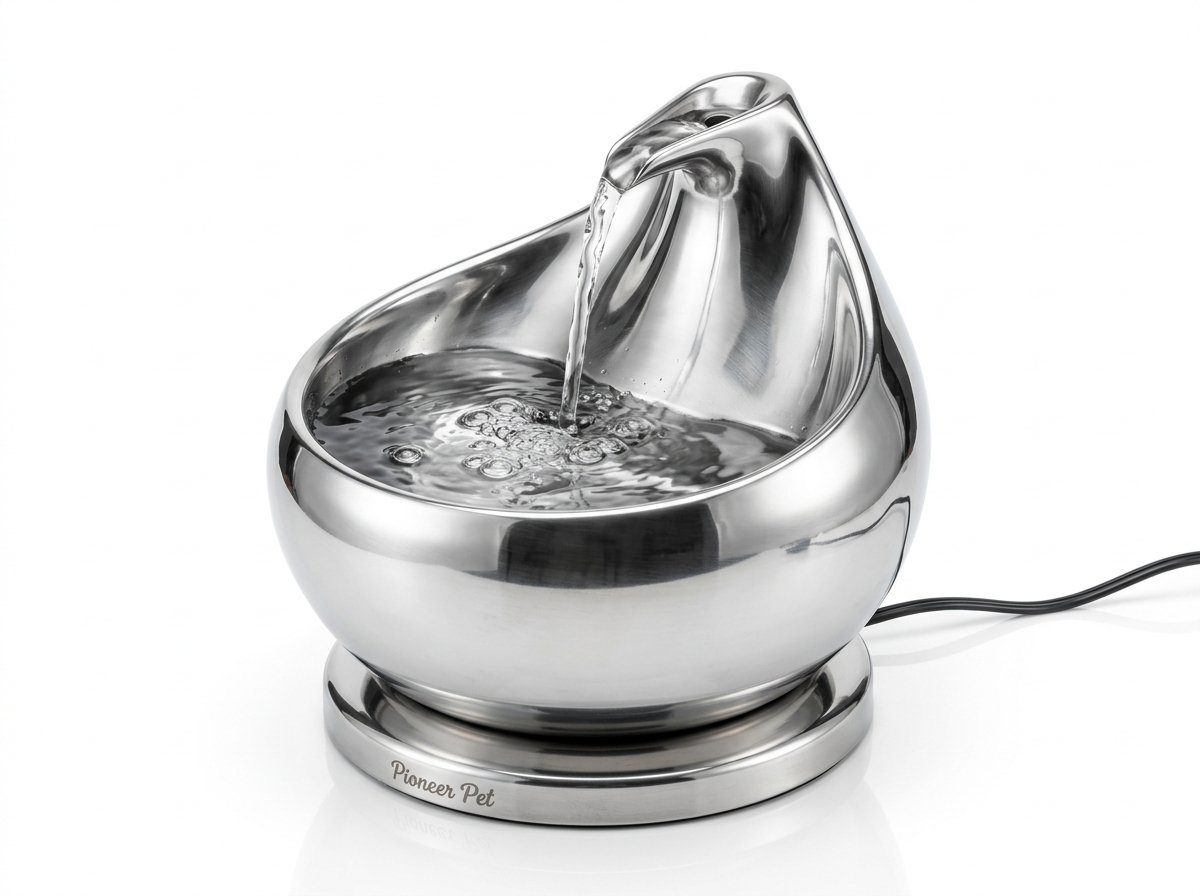
★ 9.8 / 10 Veterinary Score
Pioneer Pet Raindrop Stainless Steel (60 oz)
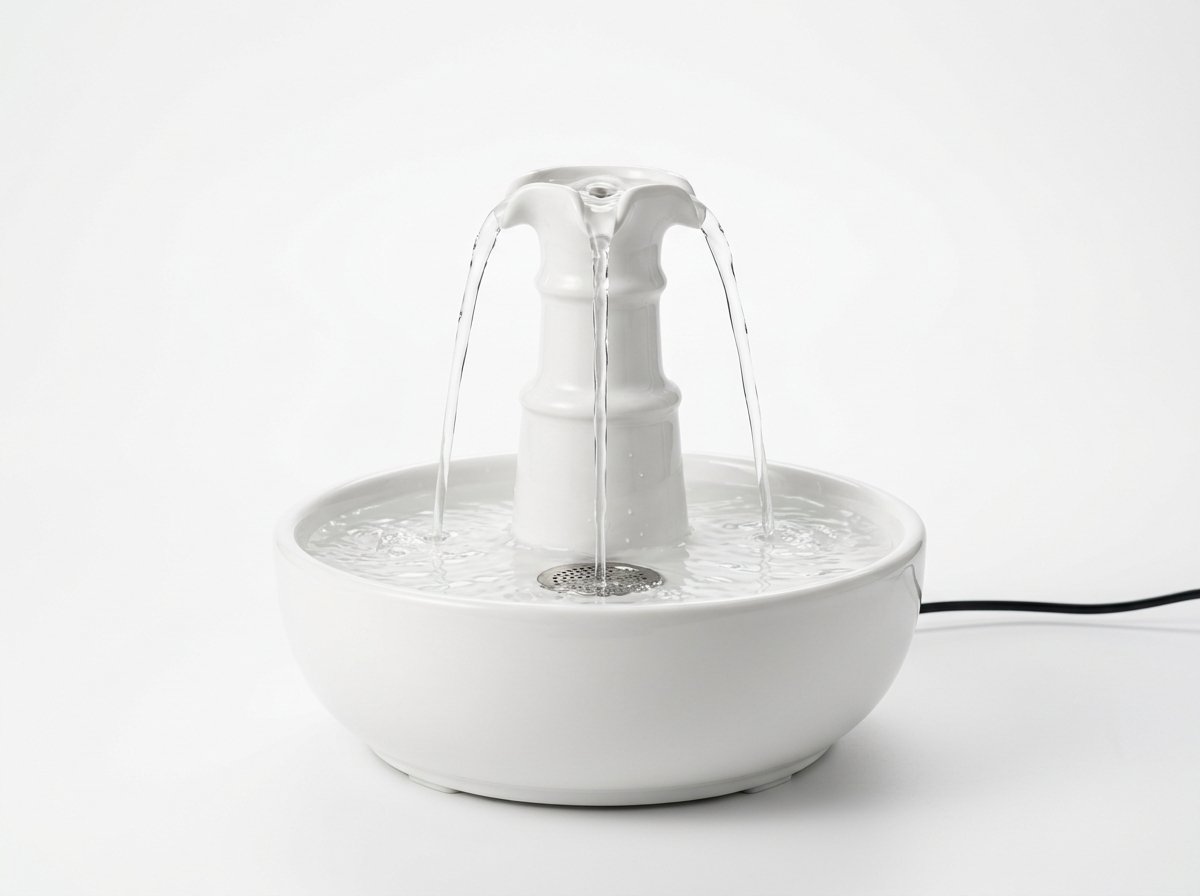
★ 9.6 / 10 Veterinary Score
iPettie Tritone Ceramic Pet Fountain (71 oz)
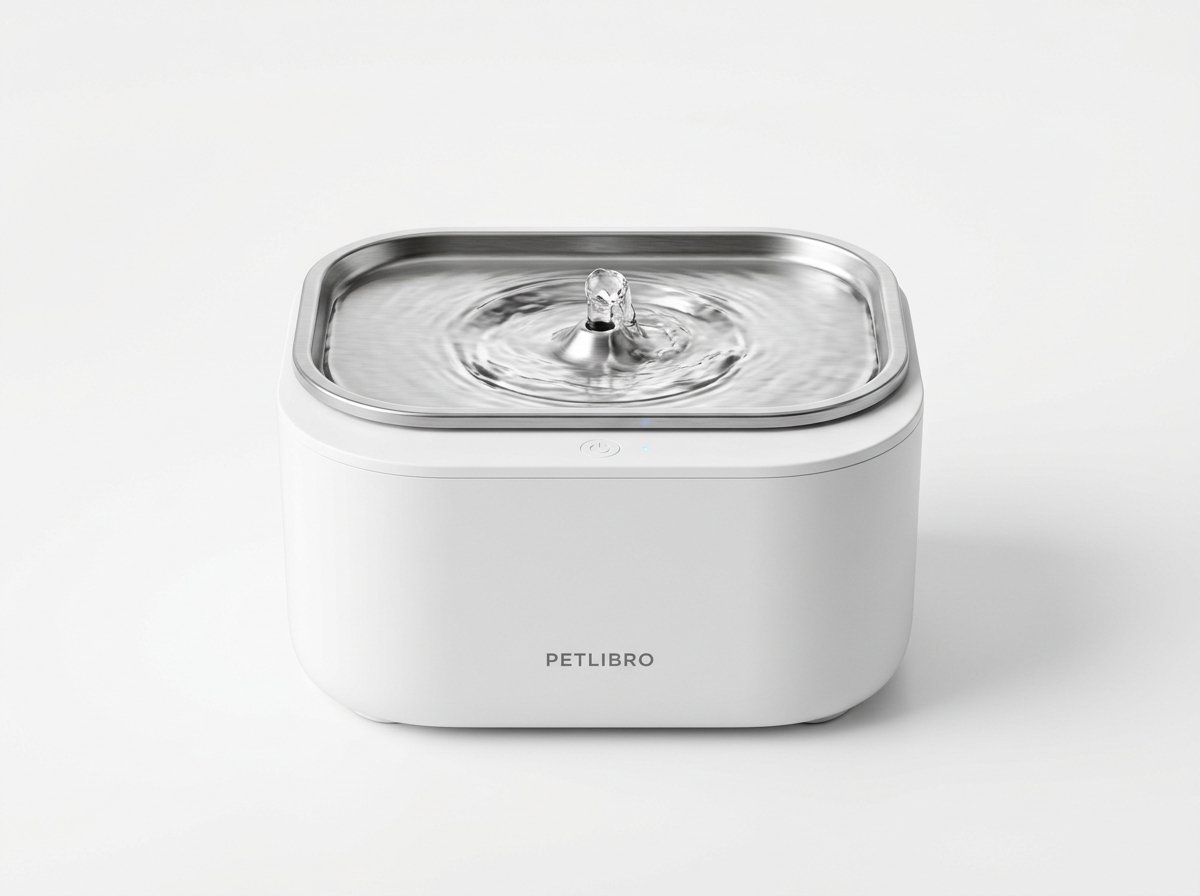
★ 9.5 / 10 Veterinary Score
PETLIBRO Dockstream Cordless (84 oz)
Table of Contents
Renal Physiology: Why Hydration Is Medical Therapy in Feline CKD
In feline medicine, Chronic Kidney Disease (CKD) is fundamentally a fluid regulation crisis. The nephrons in a healthy cat’s kidneys continuously filter nitrogenous metabolic waste while reabsorbing over 99% of filtered water back into the bloodstream. When CKD damages more than two-thirds of functional renal mass, the cat permanently loses the physiological capacity to concentrate urine (clinically manifested as urine specific gravity falling below 1.035).
Because water constantly drains through the kidneys in a dilute stream (involuntary polyuria), the cat must drink immense volumes of water (compensatory polydipsia) simply to maintain systemic vascular perfusion and clear blood urea nitrogen (BUN) and creatinine (key diagnostic biomarkers evaluated on routine senior pet blood work panels). If water intake falters even slightly, subclinical dehydration rapidly sets in, reducing renal blood flow and precipitating an acute-on-chronic uremic crisis. Understanding these physiological mechanisms highlights why fountain design is critical:
Cats possess an ancestral desert survival instinct warning them that standing water may harbor stagnant bacteria and decaying matter. Continuously circulating, filtered water remains chilled, richly oxygenated, and audibly mimics fresh natural springs, stimulating the feline thirst reflex.
Kidney-compromised cats have dilute urine that provides less natural antibacterial defense, making them highly prone to ascending bacterial infections (pyelonephritis). Furthermore, older cats displaying signs of feline dental disease regularly transfer oral bacteria into water basins. Non-porous stainless steel and ceramic fountains actively filter out saliva and food debris before harmful biofilms can colonize.
Senior cats experience sensory exhaustion when drinking from narrow bowls that force their sensitive mystacial vibrissae (whiskers) against steep walls. Broad, open fountain trays allow comfortable, unobstructed lapping without sensory stress or neck cramping, especially when paired with non-slip rugs for stable traction.
5-Product Clinical Comparison Matrix
| Fountain & Model | Material | Capacity | Noise Level | Whisker Relief | Score | Action |
|---|---|---|---|---|---|---|
|
Pioneer Pet Raindrop
Best Overall |
304 Stainless Steel | 60 oz / 1.8 L | ✓ Silent (<20 dB) | ✓ Wide Gentle Slide | ★ 9.8 / 10 | Check Price → |
|
iPettie Tritone
Best Ceramic |
Glazed Porcelain | 71 oz / 2.1 L | ✓ Natural Dampened | ✓ 3-Tier Multi-Level | ★ 9.6 / 10 | Check Price → |
|
PETLIBRO Dockstream
Best Cordless |
Steel Tray + BPA-Free | 84 oz / 2.5 L | ✓ Whisper 23 dB | ✓ Broad Flat Tray | ★ 9.5 / 10 | Check Price → |
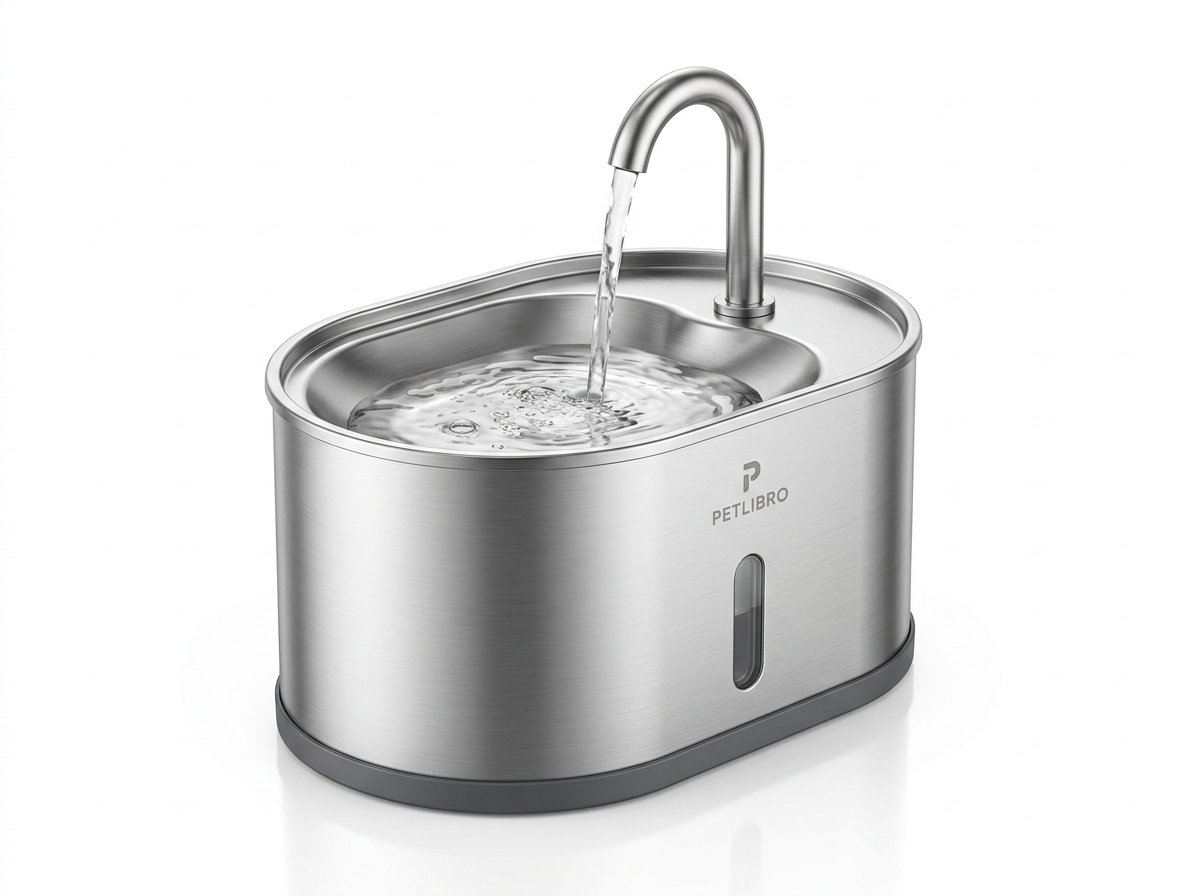
PETLIBRO 3L Capsule
High Capacity |
304 Stainless Steel | 101 oz / 3.0 L | ✓ Quiet Stream | ✓ Curved Faucet Arc | ★ 9.4 / 10 | Check Price → |
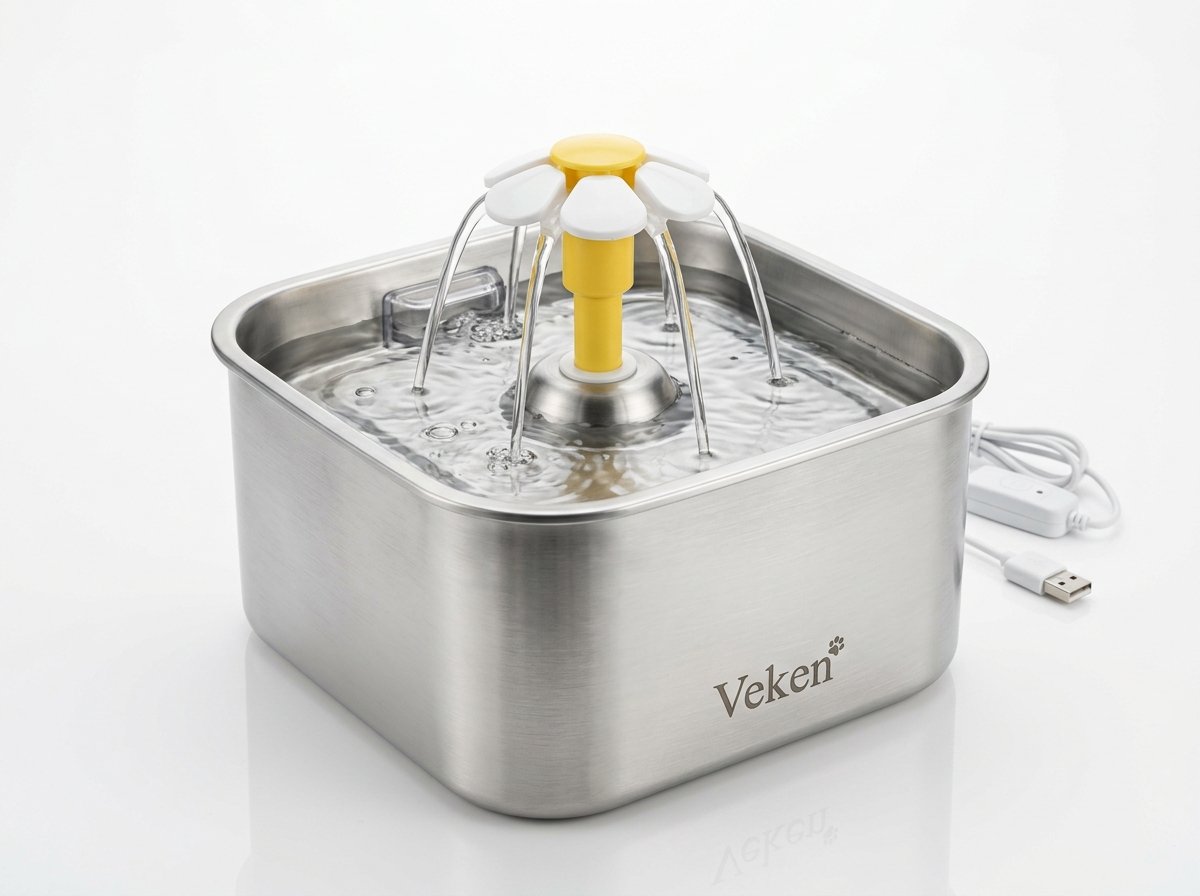
Veken Stainless 95oz
Best Budget Steel |
Stainless + Poly Base | 95 oz / 2.8 L | ✓ Submersible Pump | ✓ Flower Spout / Pool | ★ 9.3 / 10 | Check Price → |
The 5 Best Cat Water Fountains for Kidney Disease (Detailed Evaluations)
★★★★★ 9.8 / 10 Clinical Score
1. Pioneer Pet Raindrop Stainless Steel Drinking Fountain (60 oz)
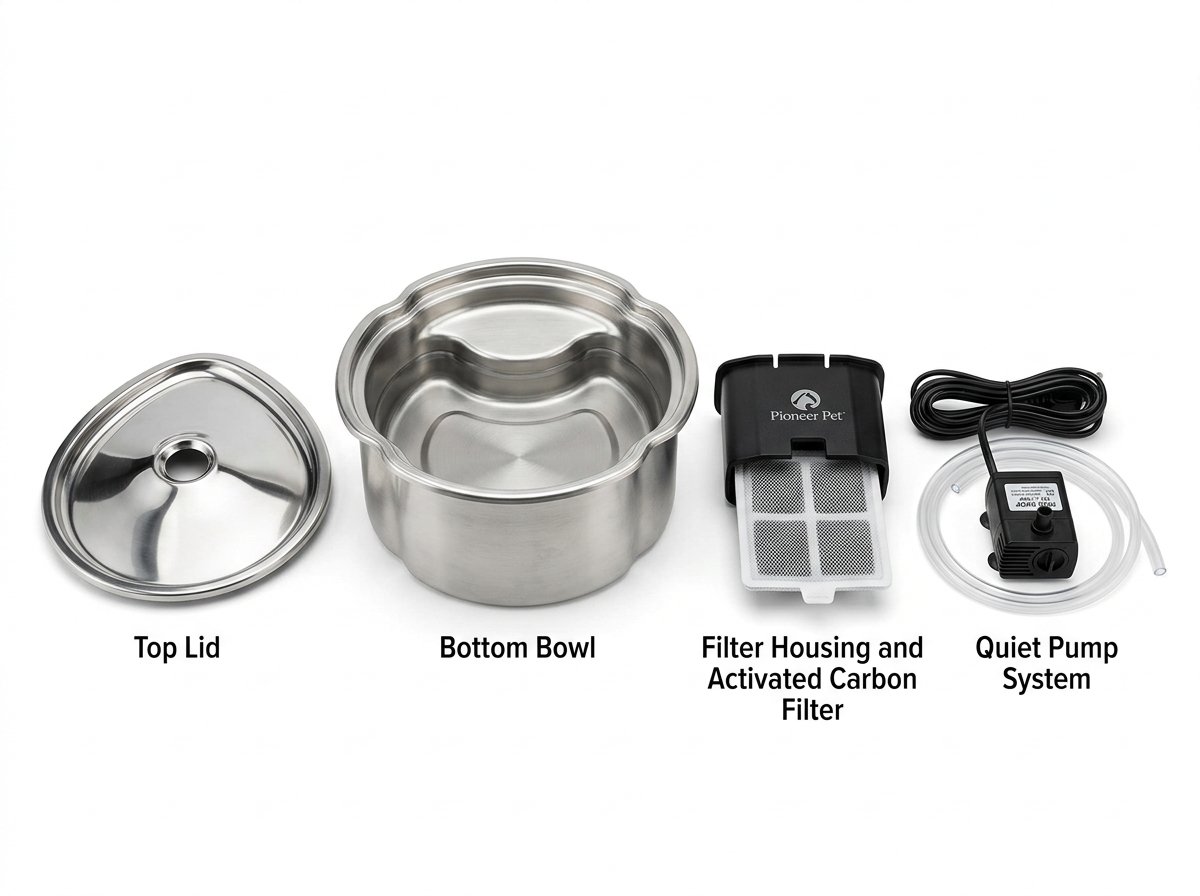
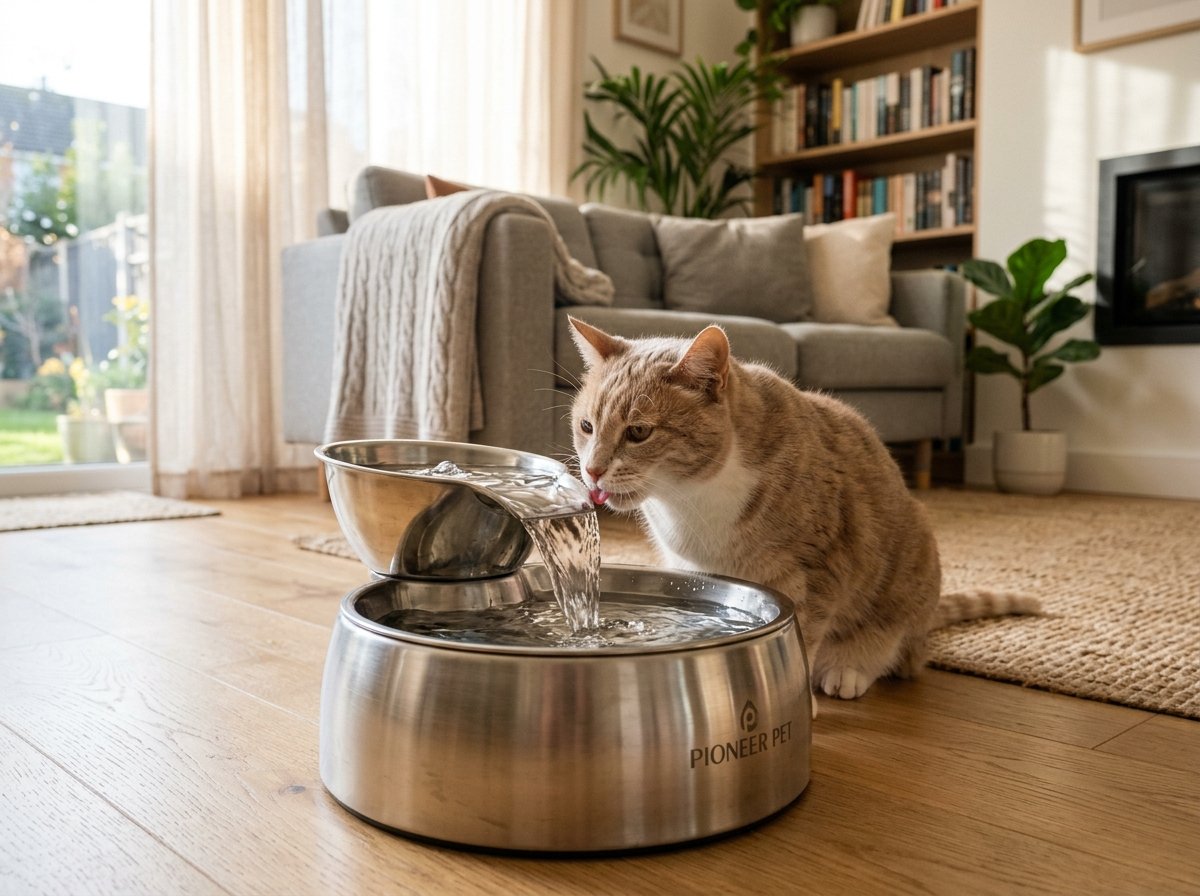
The Pioneer Pet Raindrop has long served as the reference standard in feline clinical nephrology. Its teardrop architecture is formed from heavy-gauge, surgical-grade 304 stainless steel that offers an exceptionally smooth surface impervious to microscopic bacterial adherence. Because geriatric kidney cats frequently suffer from cachexia and muscle wasting (see our clinical breakdown of senior cats losing weight while still eating), an effortless, low-strain drinking basin ensures they expend minimal energy hydrating.
Rather than an aggressive vertical fountain jet that splashes whiskers or terrifies anxious geriatric cats, water bubbles up silently at the peak and glides down a broad convex slide into an open basin. This dynamic slide continuously oxygenates the stream while providing effortless drinking access. Both the top dome and base bowl detach in seconds and are fully safe for high-temperature sanitization in standard residential dishwashers.
- Entire stainless casing is 100% dishwasher safe for thorough clinical sanitization.
- Gentle waterfall slide prevents splashing, facial wetting, and whisker fatigue.
- Completely non-porous surface eliminates bacterial chin acne (folliculitis) risk.
- Spacious lower drinking bowl remains accessible even during unexpected power cuts.
- 60 oz capacity requires water replenishment every 2 to 3 days in multi-cat homes.
- Pump cord requires careful alignment in base notch during reassembly.
★★★★★ 9.6 / 10 Clinical Score
2. iPettie Tritone Ceramic Pet Drinking Fountain (71 oz)
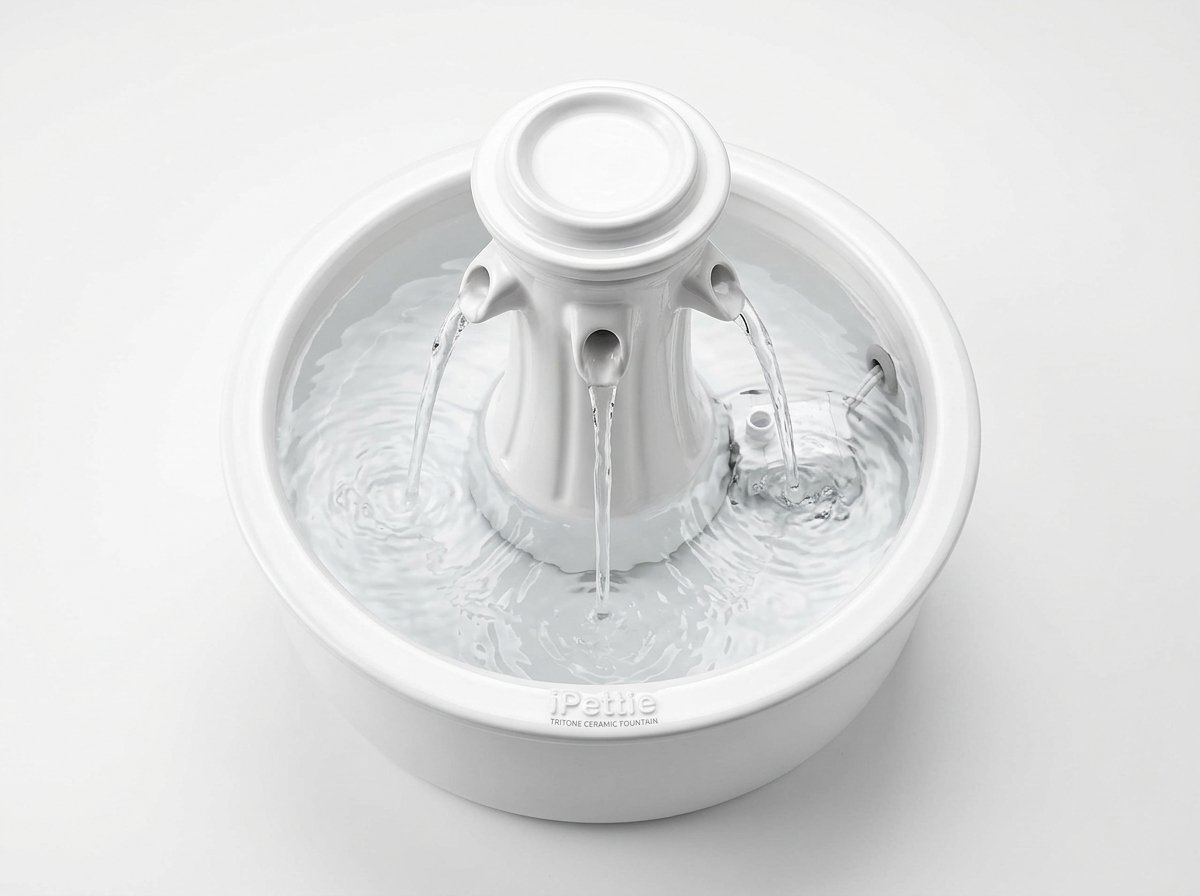
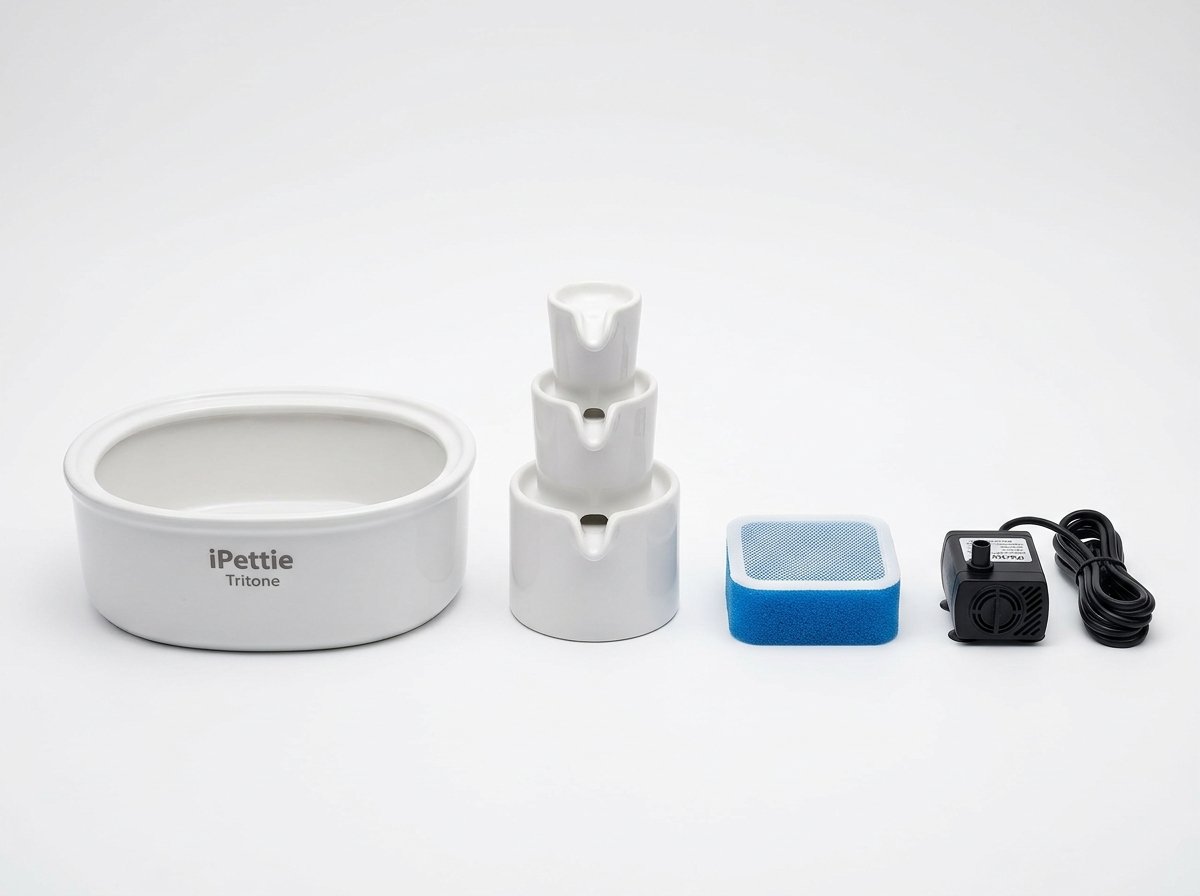
For senior cats terrified by the mechanical hum or high-frequency vibration of lightweight plastic fountains, the iPettie Tritone is a therapeutic breakthrough. Fired from non-toxic high-temperature porcelain and weighing nearly 7 pounds when filled, its heavy ceramic mass naturally absorbs motor vibration, reducing acoustic noise to below 20 decibels.
The Tritone features three tier cascades: a high bubble fountain at the top, a gentle waterfall spillway, and an expansive lower basin. Senior cats suffering from cervical spondylosis or lumbosacral osteoarthritis can drink comfortably from the elevated top rim without bending down toward the floor. Its dual-filtration system combines an activated carbon core with an ion-exchange resin to soften tap water and screen heavy minerals.
- Heavy porcelain body absorbs pump hum and keeps water naturally chilled for hours.
- Three distinct drinking heights eliminate cervical neck strain in arthritic seniors.
- High-temperature glazed ceramic is lead-free and 100% non-toxic.
- Broad circular basin accommodates multiple cats simultaneously without whisker contact.
- 7.5 lb total dry weight requires careful handling during basin refilling.
- Ceramic material can chip or crack if dropped onto hard kitchen tile flooring.
★★★★ 9.5 / 10 Clinical Score
3. PETLIBRO Dockstream Cordless Pet Water Fountain (84 oz / 2.5L)
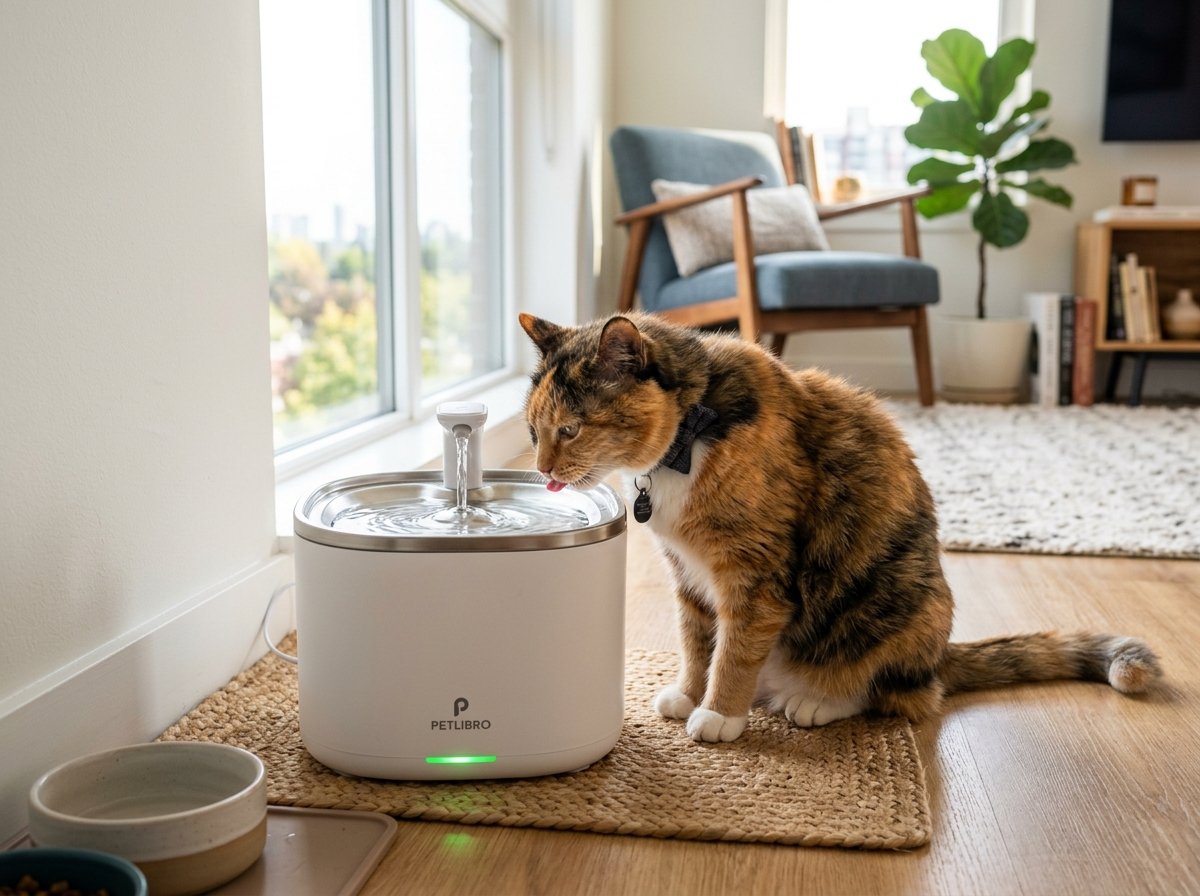
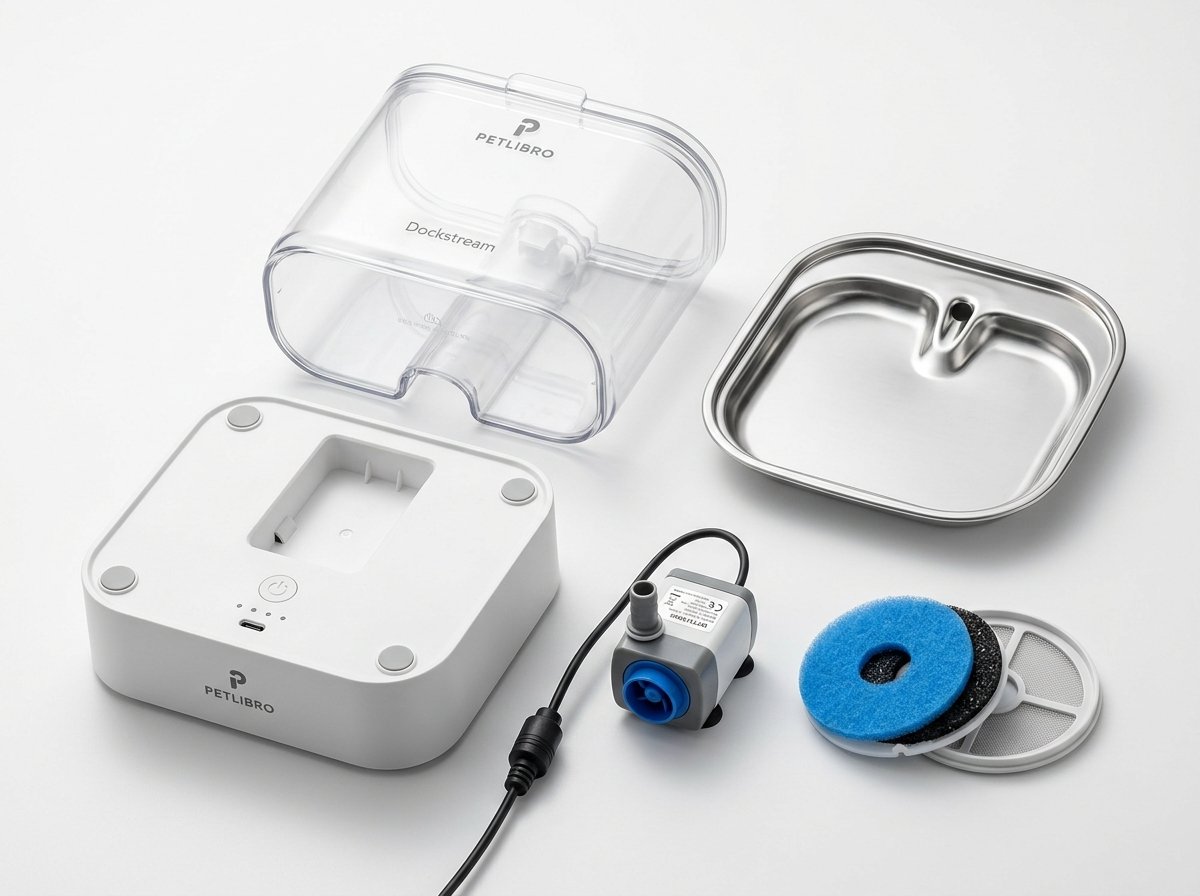
Senior felines with chronic renal failure often suffer from concurrent mobility stiffness, muscle atrophy, or cognitive dysfunction syndrome (CDS). Many become reluctant to travel down cold hallways to kitchen outlets, especially if experiencing nighttime vocalization (see our diagnostic guide on senior cats yowling at night). The PETLIBRO Dockstream Cordless solves this placement barrier with a detachable rechargeable battery base that operates for up to 30 days per charge in radar sensor mode.
Unlike standard plug-in units, you can place this fountain right next to your senior cat’s favorite bed or sunny sleeping spot with zero cord trip hazard. When the cat steps within 3 feet, the quiet radar sensor automatically activates a gentle welling stream. The top drinking surface is fabricated from food-grade 304 stainless steel, preventing chin contact with porous plastics.
- Wireless induction tank lifts off freely without unplugging power cables.
- Built-in rechargeable 5000mAh battery delivers up to 30 days of cordless placement.
- Detachable 304 stainless steel drinking tray prevents feline chin acne.
- Can be placed directly beside senior sleeping mats without cord trip hazards.
- Lower water reservoir base is constructed from BPA-free polymer, not steel.
- Battery requires overnight USB recharging every 3 to 4 weeks.
★★★★ 9.4 / 10 Clinical Score
4. PETLIBRO 3L Stainless Steel Cat Water Fountain (PLWF006)
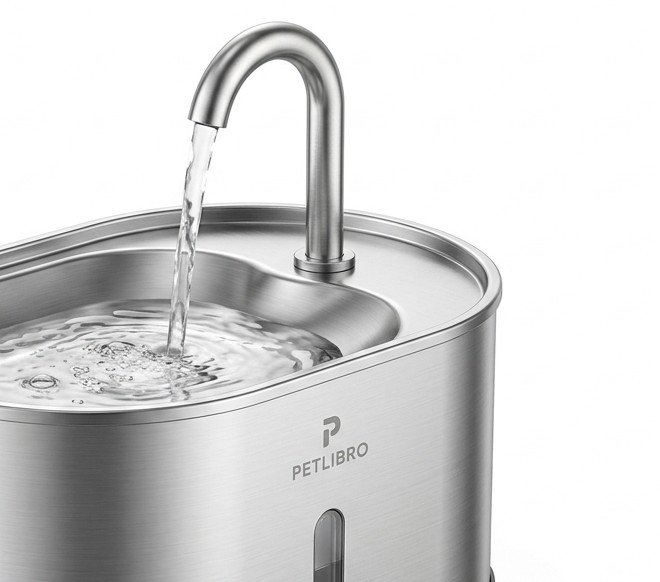
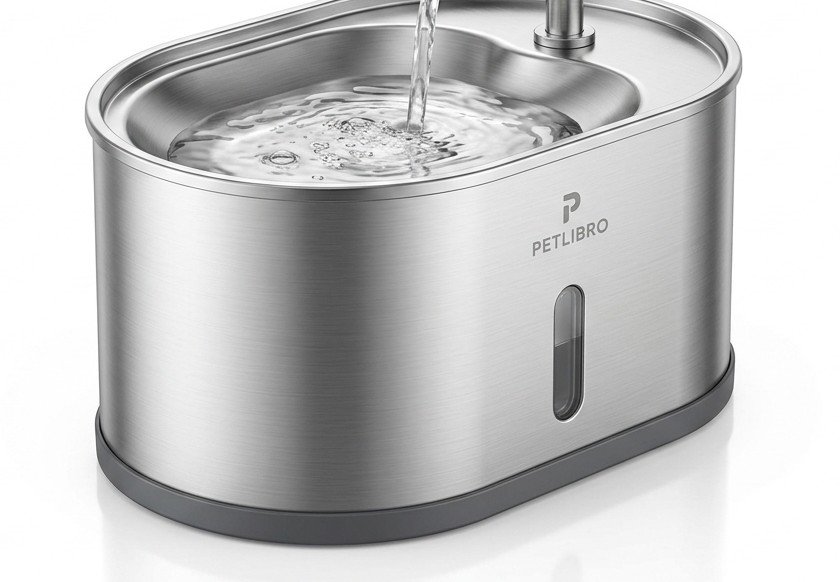
Many cats suffering from early or moderate renal failure develop an intense habit of begging at the bathroom sink for running tap water. The PETLIBRO 3L Stainless Fountain (PLWF006) replicates this exact flow profile with an elevated curved faucet pipe. The stream gently arcs into a wide, hygienic stainless pool, allowing arthritic cats to lap water directly from the air without flexing their spine.
Holding a generous 3 liters (101 ounces), this model is ideally suited for households where a kidney cat drinks copious amounts throughout the day, or where multiple pets share water stations. For comprehensive dietary hydration alongside water fountains, explore what to feed a cat with chronic kidney disease to balance moisture with prescription renal foods. The deep basin and securely fitted stainless top lid prevent accidental dislodgement even if inquisitive cats paw at the spout.
- Generous 3.0L (101 oz) capacity supports polyuric renal cats for days.
- Ultra-silent 23dB submersible pump will not startle sound-phobic geriatric cats.
- Full-body 304 food-grade stainless construction is completely dishwasher safe.
- 4-stage filtration system softens municipal water by removing calcium and magnesium.
- Opaque stainless steel tank requires lifting lid to inspect water level.
- Proprietary filter cartridges must be purchased directly for optimal water seal.
★★★★★ 9.3 / 10 Clinical Score
5. Veken Stainless Steel Pet Fountain (95 oz / 2.8L)
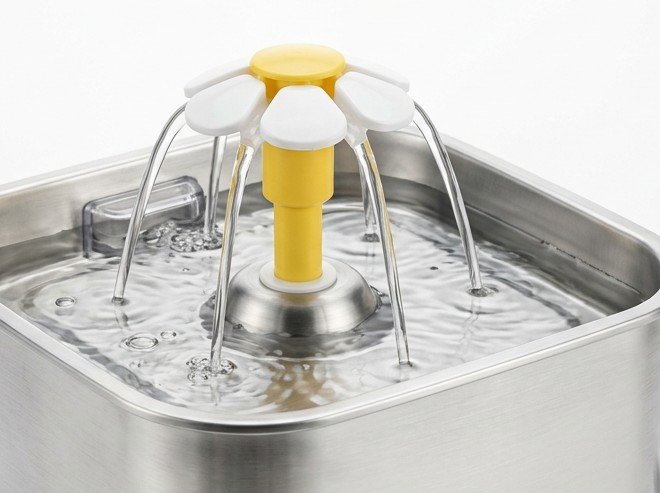
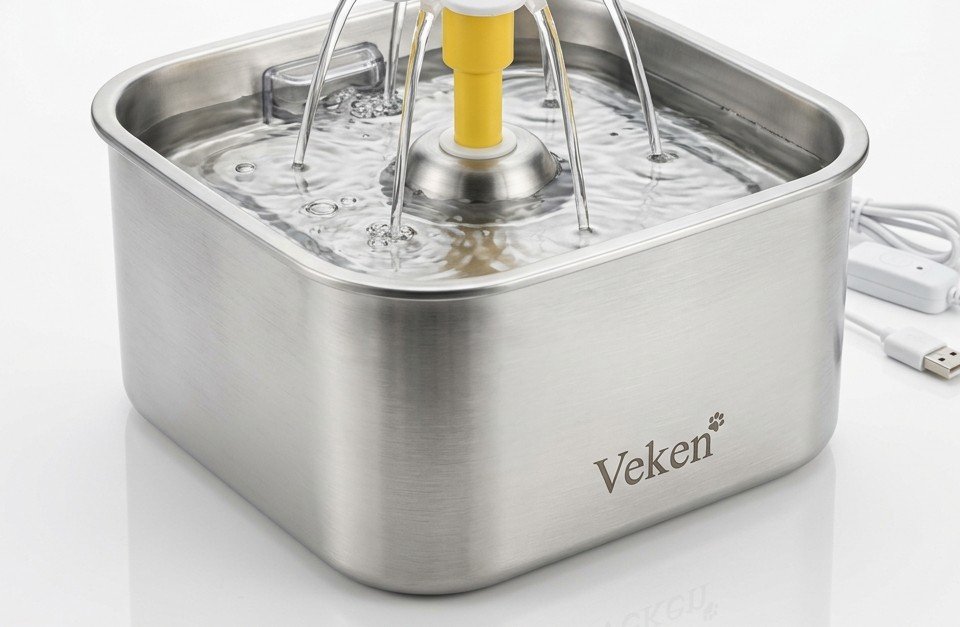
The Veken Stainless Steel 95oz fountain has built widespread popularity by offering premium hygienic stainless construction with versatile flow customization. It includes an interchangeable flower nozzle that can produce gentle bubbling springs, multi-stream cascades, or a smooth calm pool.
For cats that are intimidated by fast-flowing streams, removing the flower attachment creates a tranquil surface pool. The stainless steel drinking top keeps the water cool while resisting scratches from claws. Furthermore, replacement filters are inexpensive and readily accessible, ensuring long-term maintenance costs remain low.
- Exceptional value offering food-grade stainless steel at an entry-level price point.
- Two flow modes (gentle bubble slide vs. free-falling stream) cater to finicky drinkers.
- 95 oz (2.8L) volume provides ample safety buffer against pump burn-out.
- Multi-stage filtration captures shedding fur and saliva before water recirculates.
- Interior reservoir base incorporates plastic components alongside the steel deck.
- Submersible pump impeller requires bi-weekly descaling to maintain water pressure.
Stainless Steel vs. Ceramic vs. Plastic: The Veterinary Reality
In veterinary clinical practice, one of the most common and easily preventable culprits behind feline drinking aversion is bowl material. When managing a cat suffering from Chronic Kidney Disease, the surface material is just as critical as water aeration. Here is why veterinary science strongly cautions against plastic dishes:
Completely non-porous, corrosion-resistant, and impervious to sponge abrasions. It does not leach synthetic polymers or absorb food odors. It can be sanitized in high-heat dishwashers, making it the most hygienic surface known to veterinary clinical medicine.
Smooth vitrified glaze provides an impermeable barrier against bacteria and biofilm. The high thermal density keeps drinking water naturally chilled for hours, and the heavy physical footprint eliminates bowl sliding and motor hum.
Even BPA-free plastics develop microscopic surface abrasions during routine sponge washing. These crevices trap bacteria, fungal spores, and pet saliva, exacerbating feline dental disease and oral inflammation and triggering feline chin acne (painful pustular folliculitis) that repels sick cats from drinking.
How to Successfully Transition a Fussy Kidney Cat to a Fountain
Senior felines are notoriously neophobic—they exhibit deep instinctual suspicion toward unfamiliar changes in their territory. If an anxious, sick cat is suddenly presented with an active motor fountain while their familiar water bowl is abruptly removed, they may refuse to drink entirely, precipitating rapid dehydration. Follow this veterinary gradual protocol:
Veterinary Step-by-Step Low-Stress Protocol:
- The Silent Acclimation Period (Days 1–3): Set up the new fountain near (but not replacing) their existing water dish. Leave the fountain powered completely OFF. Fill it to the brim with fresh water. Let your cat investigate, sniff, and drink from the quiet still pool without mechanical vibration.
- Low-Flow Familiarization (Days 4–7): Power on the fountain on its lowest, gentlest flow setting. Continue keeping their old water bowl in its exact usual spot. Watch for your cat to begin curiously inspecting and lapping the flowing current.
- The Renal-Safe Flavor Trick: If your cat is hesitant, boil fresh chicken breast in plain, unsalted water (zero onions, garlic, or sodium). Add a tablespoon of this diluted chicken broth or water from a can of tuna in spring water into the fountain pool (a gentle technique also used in vet-guided homemade diets for kidney cats). The aromatic entice triggers eager licking.
- Strategic Multi-Station Placement: Cats in the wild never drink adjacent to their kill or latrine. Never position the fountain within 6 feet of food bowls, and never in the same room as the litter box. Place fountains in quiet, low-traffic areas where arthritic seniors feel safe from surprises.
- Elevate for Arthritic Comfort: If your senior cat has stiff cervical spine joints or mobility issues from arthritis joint discomfort, place the fountain on a sturdy 2-to-3 inch non-slip riser. Raising the water level allows drinking without deep neck bending.
⚠ Clinical Reality: What a Water Fountain Cannot Do
While a premium fountain is one of the most effective tools to boost voluntary drinking, it is not a replacement for veterinary medical therapy. In moderate to advanced CKD (IRIS Stages 3 and 4), oral intake alone is often physiologically inadequate to overcome massive polyuric fluid losses. Fountains must work in synergy with subcutaneous fluid therapy (LRS), dietary phosphorus binders, blood pressure regulation, and a medically balanced diet. Review our detailed guide on what to feed a cat with chronic kidney disease to optimize your pet’s nutritional regimen. (Note: Avoid feeding high-protein kitten food, as explored in can senior cats eat kitten food for weight gain, as unrestrained phosphorus and nitrogen burden failing nephrons.)
Essential Reading for Feline Chronic Kidney Disease:
- Early Signs of Kidney Disease in Senior Cats (10 Warning Signs) — How to spot subtle changes in thirst, urination, and coat condition before diagnostic blood values spike.
- What to Feed a Cat With Chronic Kidney Disease (Complete Guide) — Crucial dietary strategies covering phosphorus restriction, moisture-rich wet foods, and renal prescription options.
- How Long Can a Senior Cat Live With Kidney Disease? — IRIS clinical staging, survival benchmarks, and evidence-based strategies to slow renal decline.
- Blood Work for Senior Pets: What Every Test Checks — Complete veterinary guide to understanding BUN, creatinine, SDMA, and electrolyte panel results.
Frequently Asked Questions: Feline Kidney Fountains
How often should I change the filter for a cat with kidney disease?
For healthy cats, monthly filter changes suffice. However, for a cat with kidney disease drinking frequently and shedding high amounts of salivary proteins, replace activated carbon and ion-exchange filters every 2 to 3 weeks. Regular veterinary wellness checks (see our schedule for how often senior pets should see the vet) and clean water accessories protect immune-compromised kidneys from ascending infections.
Is tap water safe, or should I use filtered or spring water for kidney cats?
If your municipal tap water has high mineral hardness (excess calcium, magnesium, or heavy chlorine odor), cats with sensitive feline olfactory receptors will drink significantly less. Understanding feline disease staging (learn how long a senior cat can live with kidney disease) demonstrates why minimizing physiological stress is paramount. Using reverse-osmosis filtered water or bottled spring water removes chemical odors and prevents mineral scale buildup inside the pump.
How do I prevent slimy biofilm from developing inside the water pump?
Disassemble the water pump completely every 7 to 10 days. Pop off the front faceplate, pull out the magnetic propeller impeller, and use a small spoolie or dental brush with white vinegar or warm soapy water to scrub the rotor cavity. Biofilm inside the pump slows flow and harbors bacteria.
Why does my senior cat still dip their paw in the fountain before drinking?
Cats have poor near-distance binocular depth perception and cannot easily detect where the clear surface of still water begins. Dipping a paw or touching the current is an instinctive way to gauge depth and water movement before lowering their face.

